LAUNCHED THE SWACHH KAL BOOKLET
-
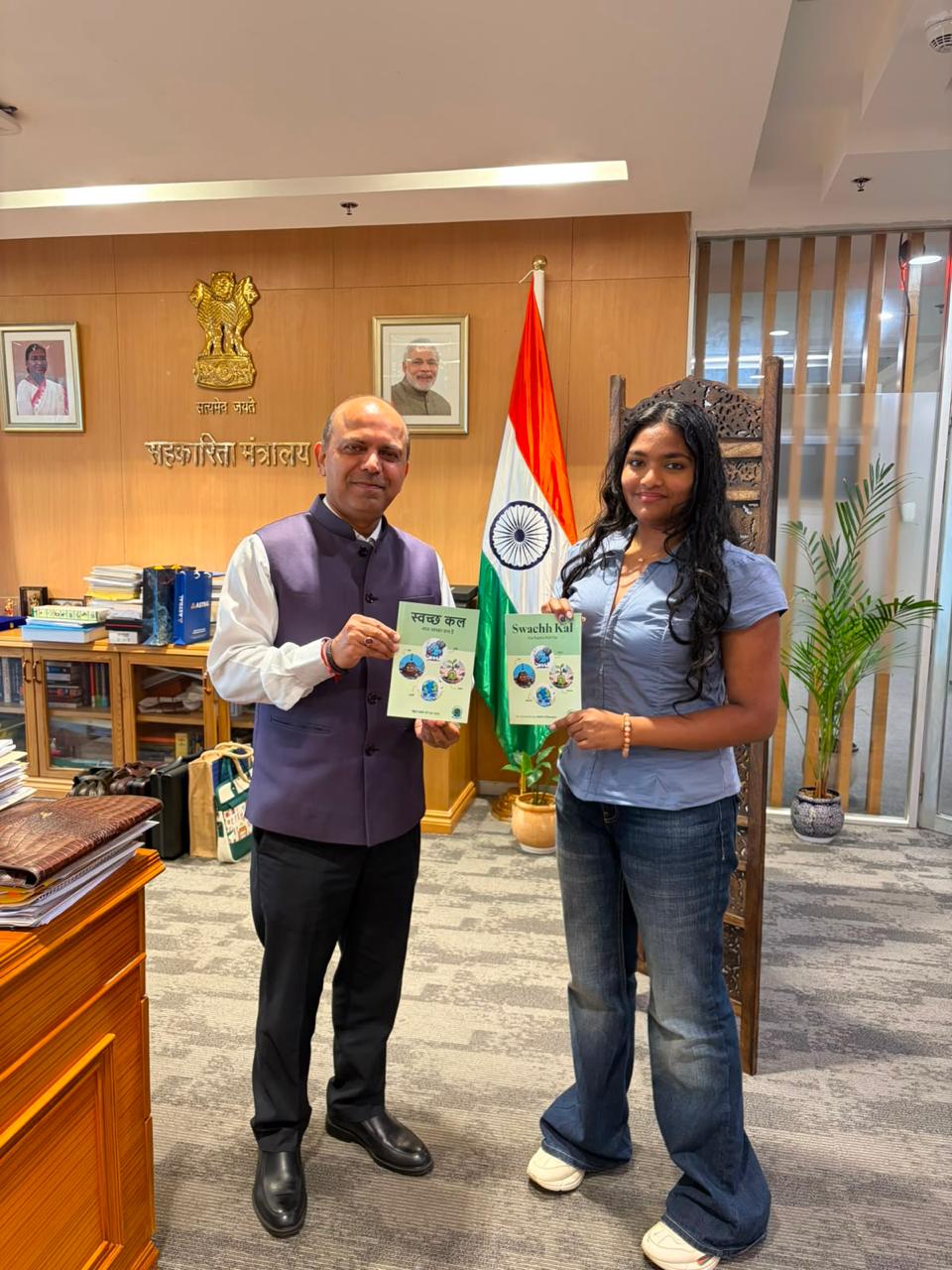
Published in both English and Hindi to make environmental education accessible to a wider audience.
-
Designed to inspire children and communities to adopt simple, everyday sustainable habits.
-
Serves as the foundation for workshops, classroom sessions, and community outreach across different regions.
The most meaningful impact comes when ideas move beyond the page and into people's everyday lives.


THE VOICE OF YOUTH
Learning Together
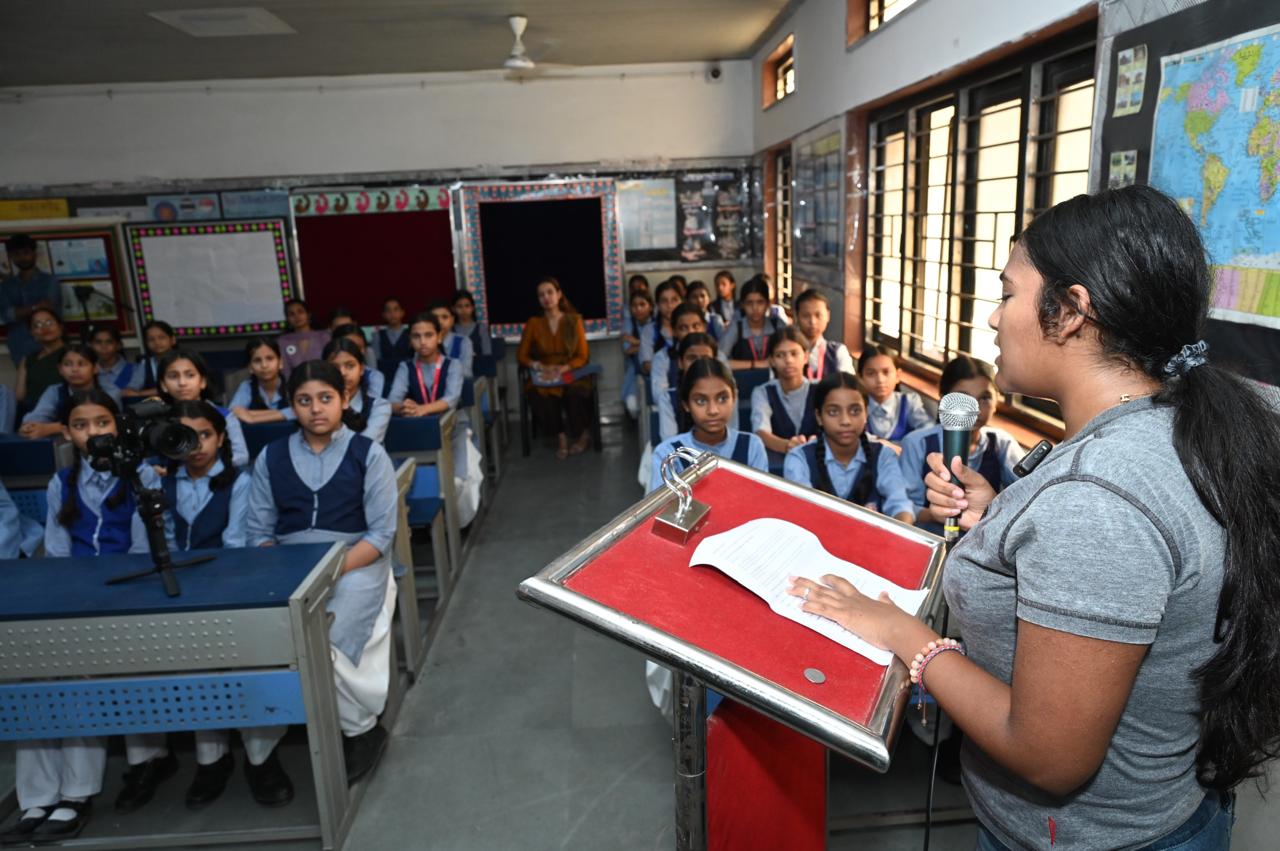
One of the things I value most about these sessions is that they feel like conversations, not lectures.
When I stand in front of a classroom, I'm not there to have all the answers. I'm there to listen, exchange ideas, and learn alongside other students who care about the future of our planet. Every discussion brings new perspectives, thoughtful questions, and inspiring solutions that I carry with me into the next workshop.
For me, the greatest impact isn't measured by the number of sessions I conduct, it's measured by the moments when a student realizes that their own actions, however small, have the power to influence the world around them. Those moments remind me why I started Swachh Kal in the first place.
DLF Community Collaboration
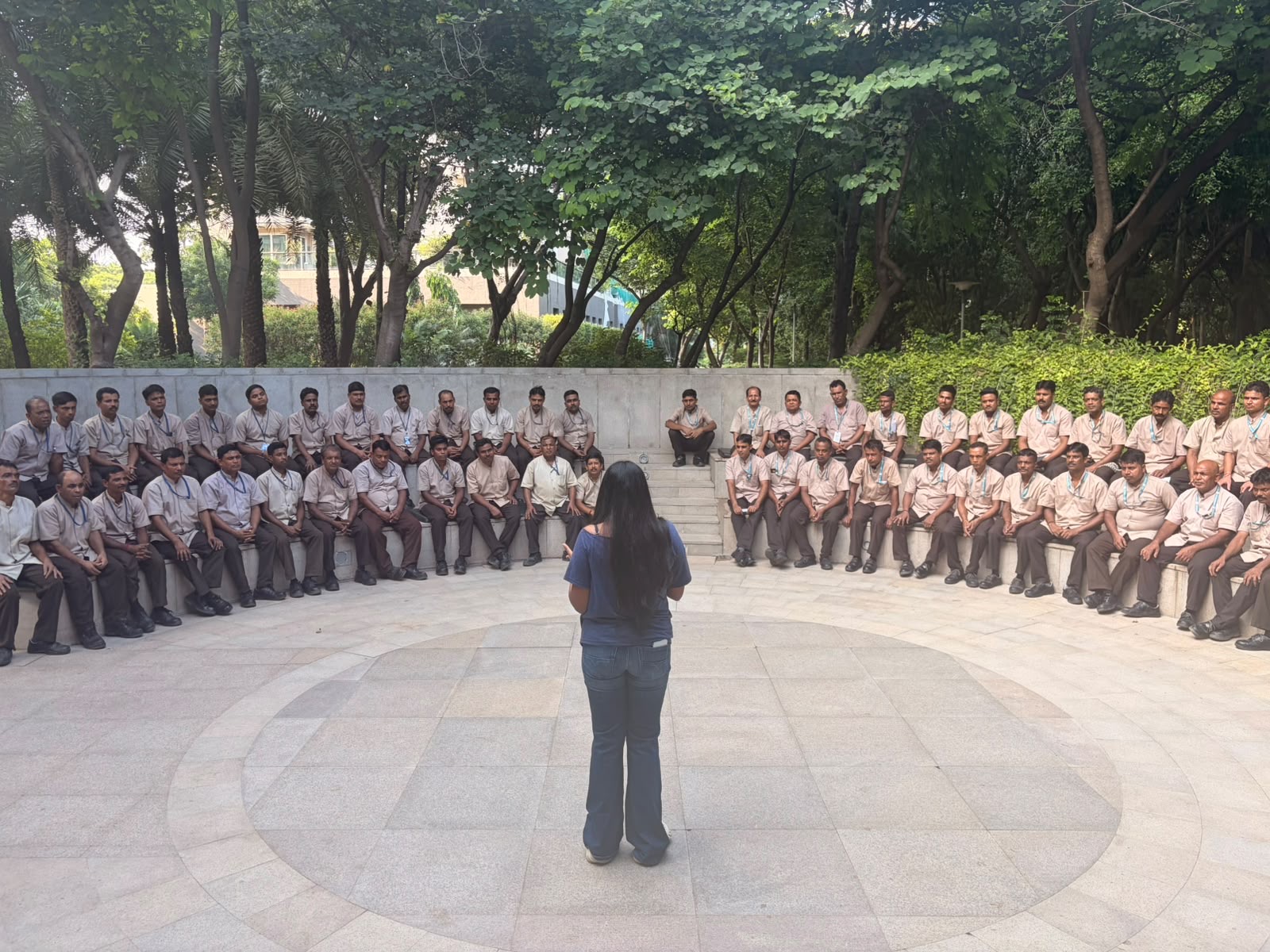
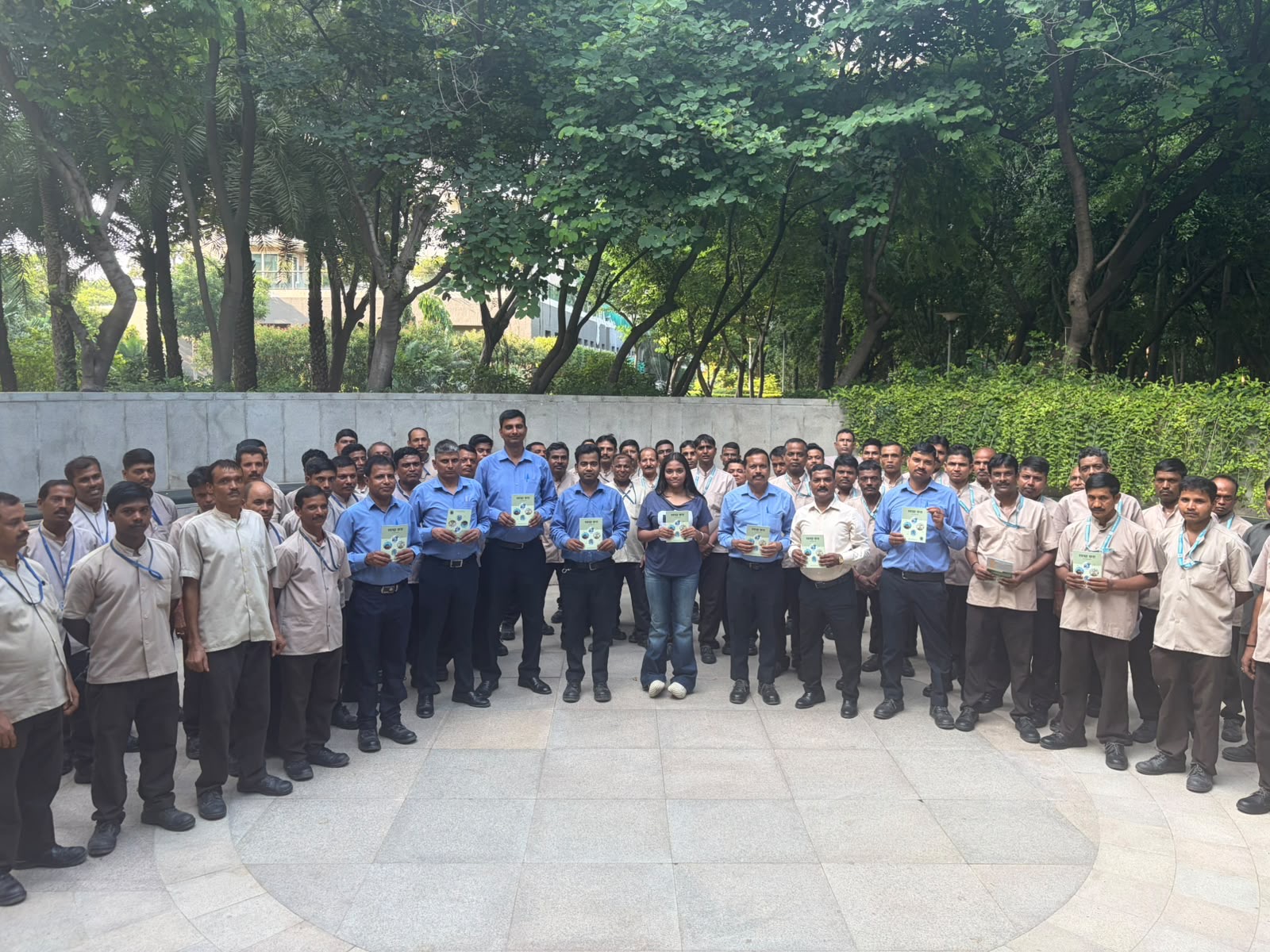
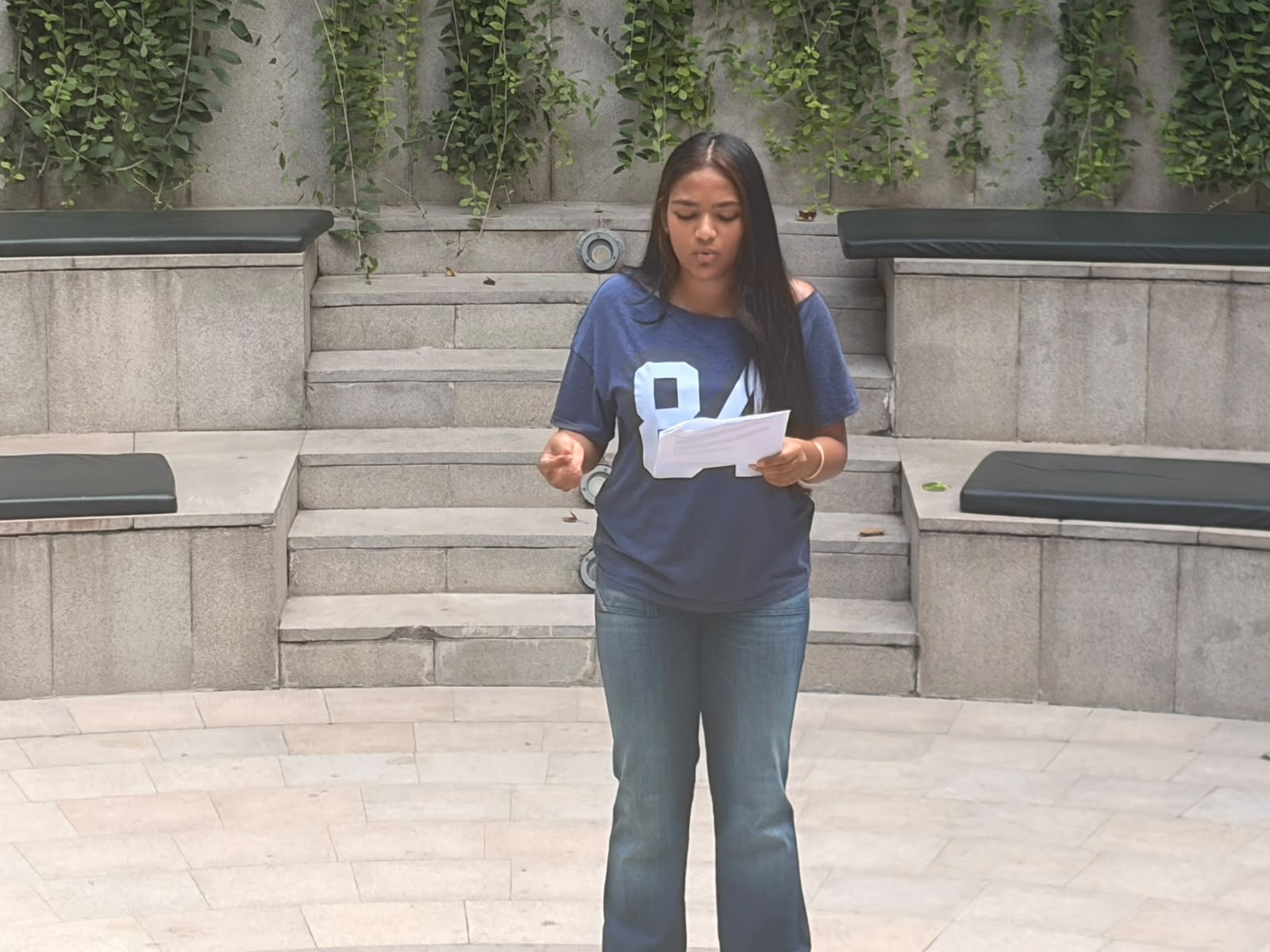
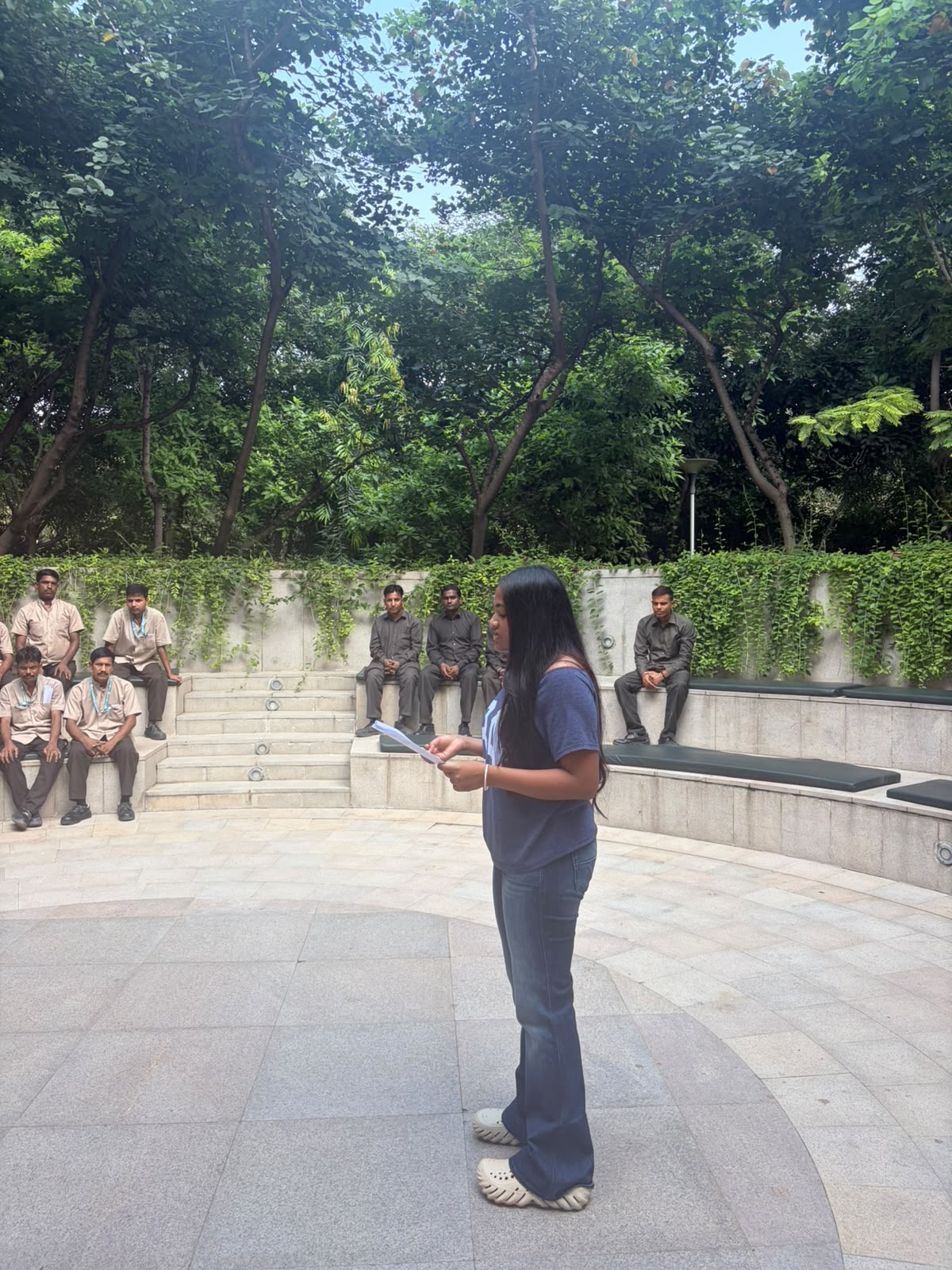
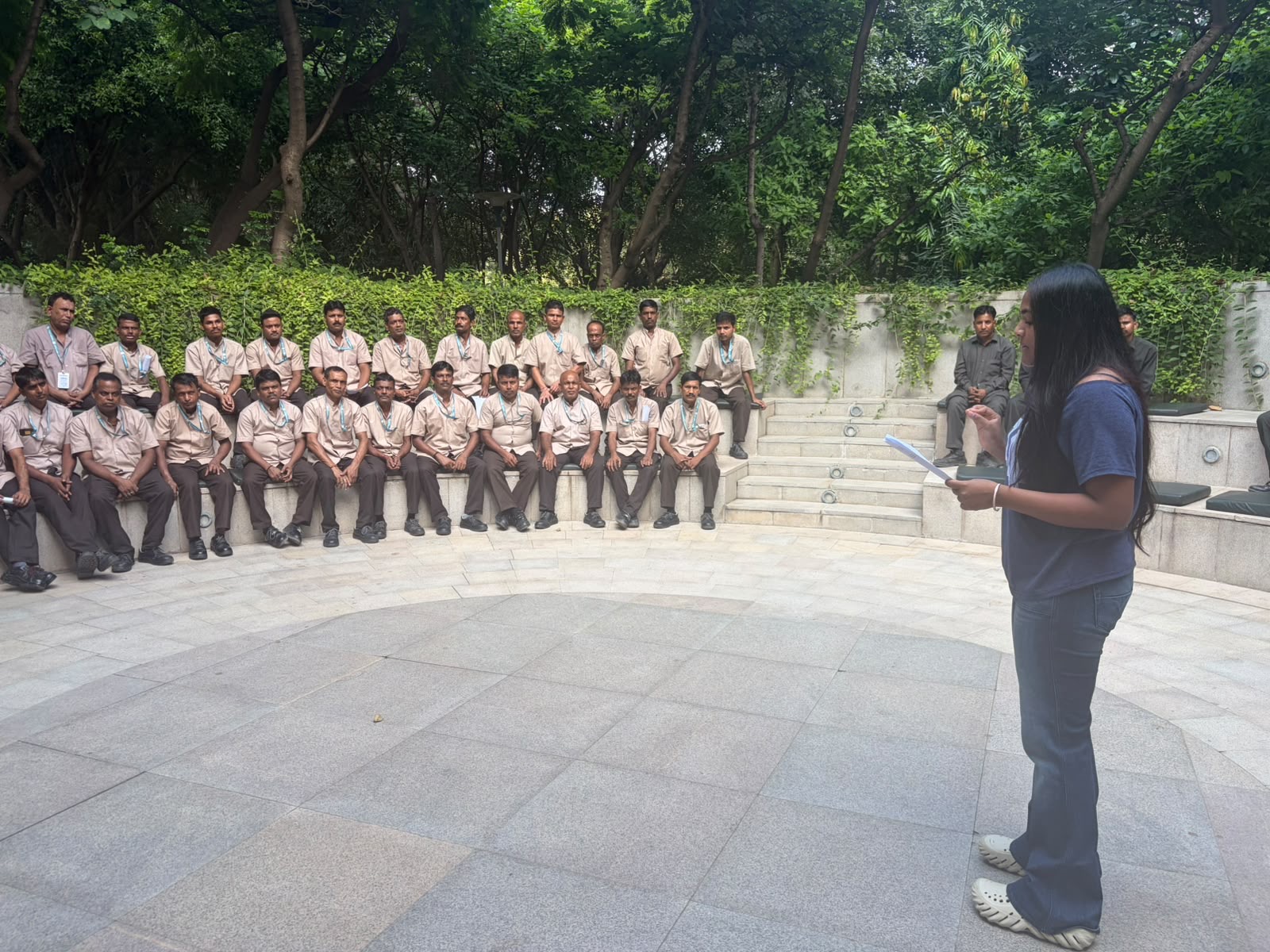
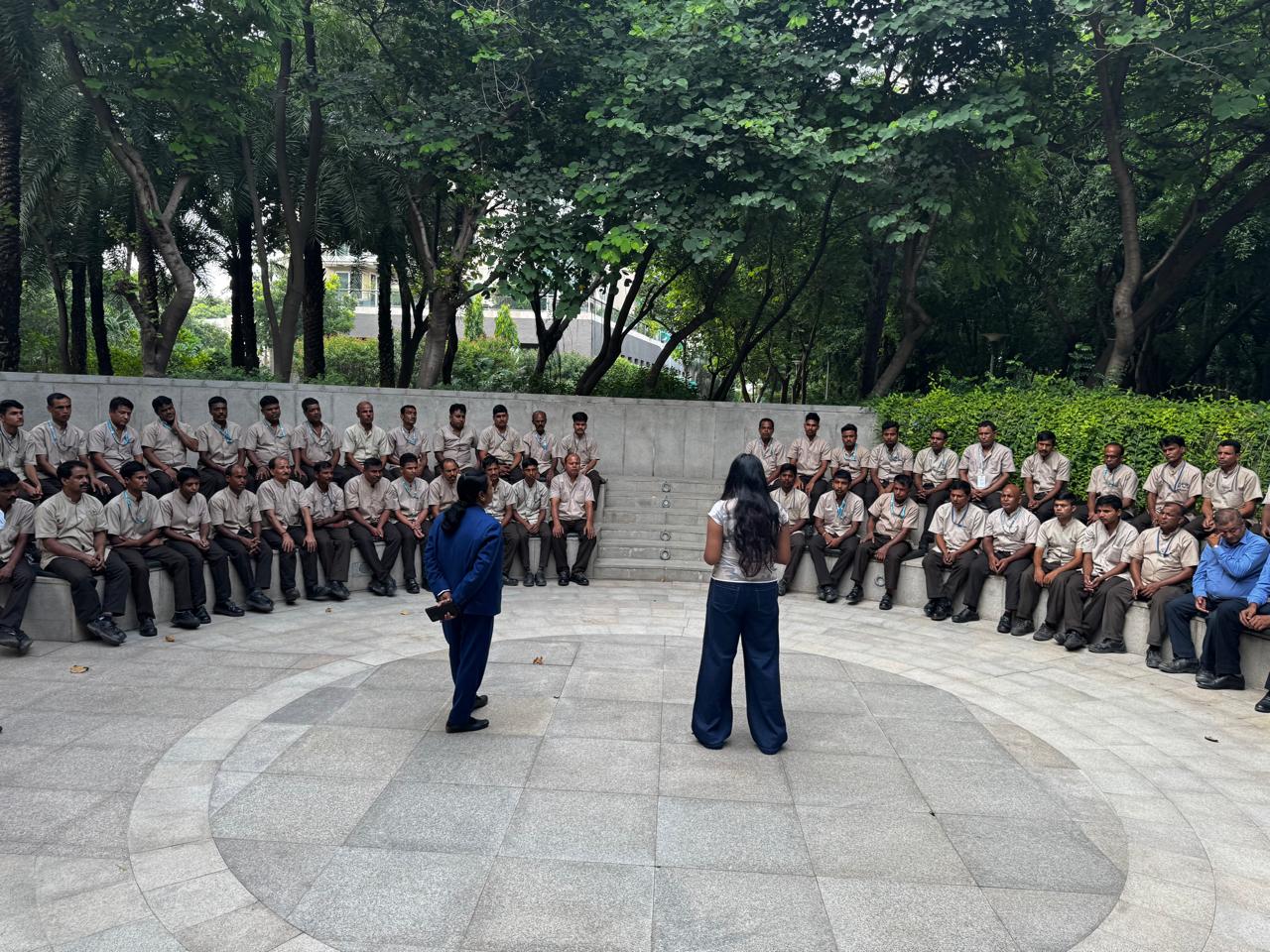
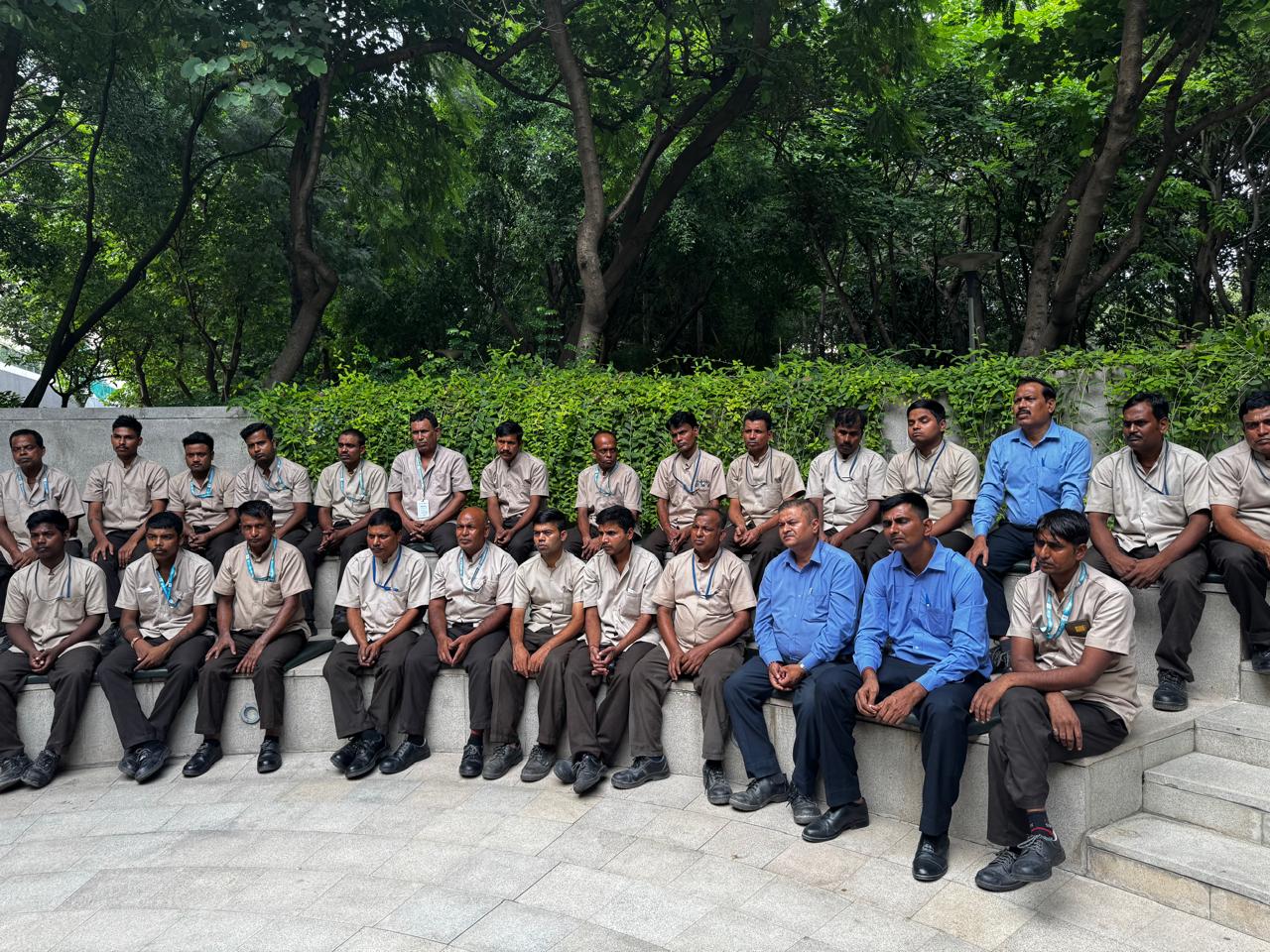
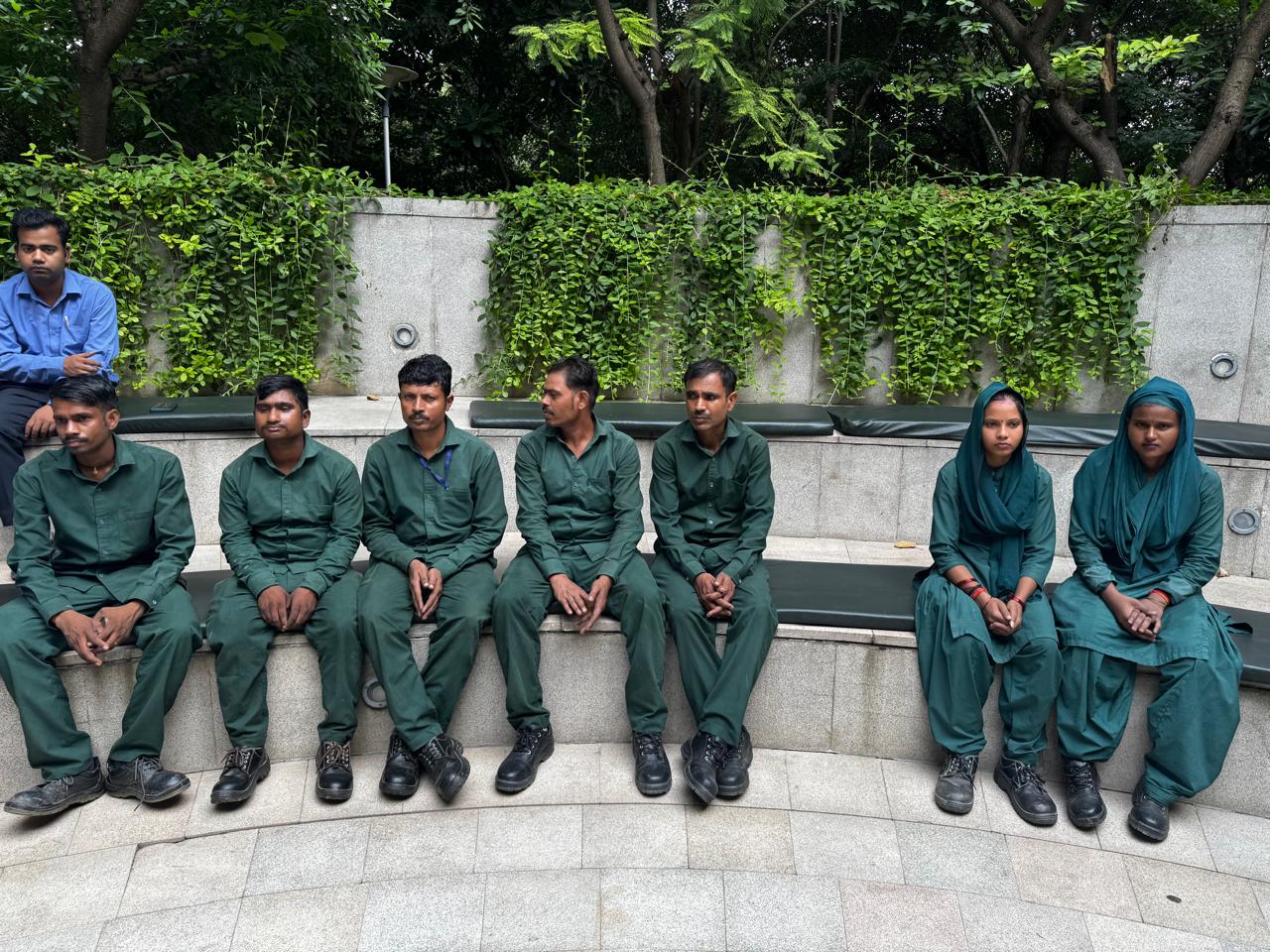
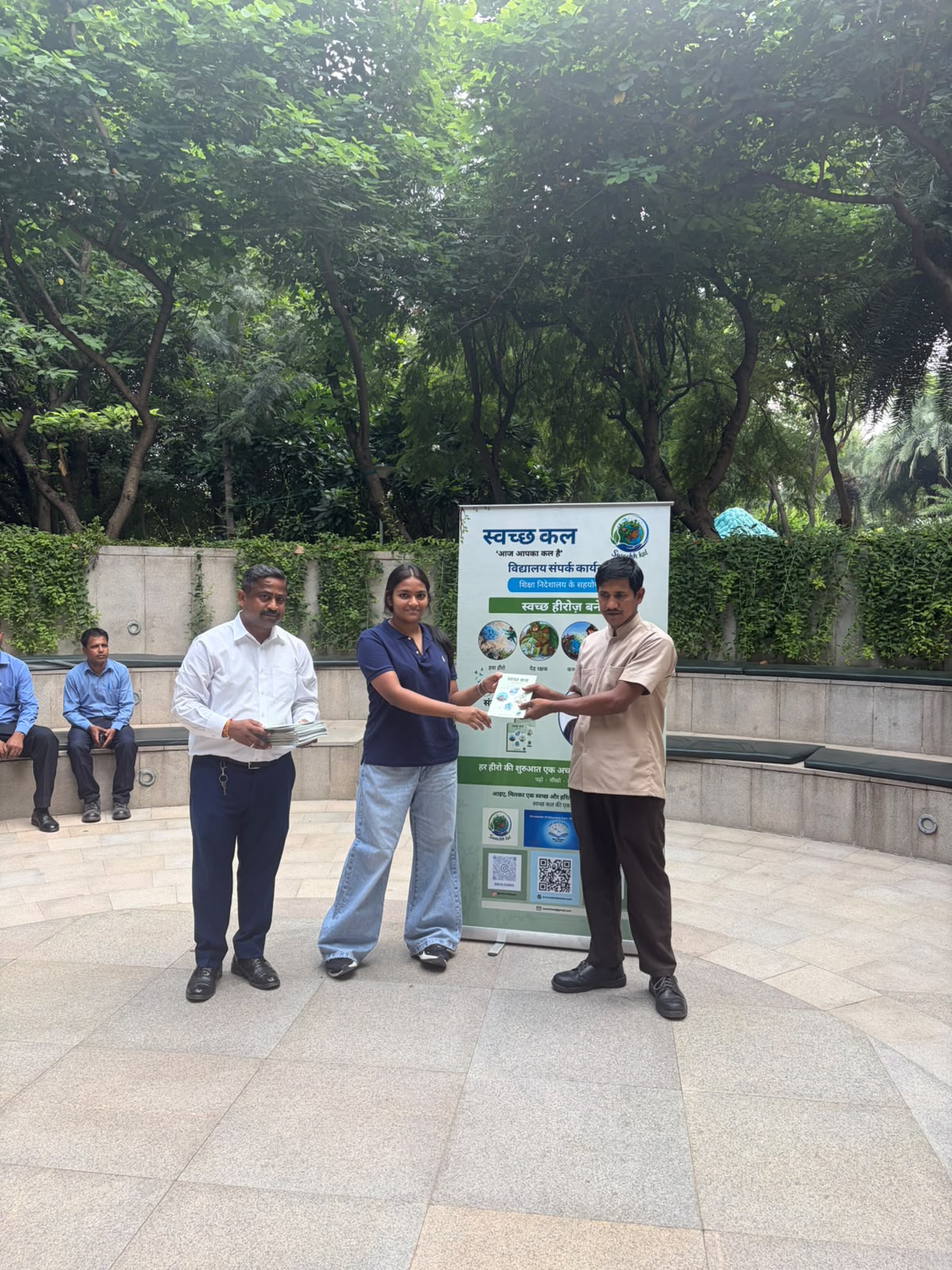
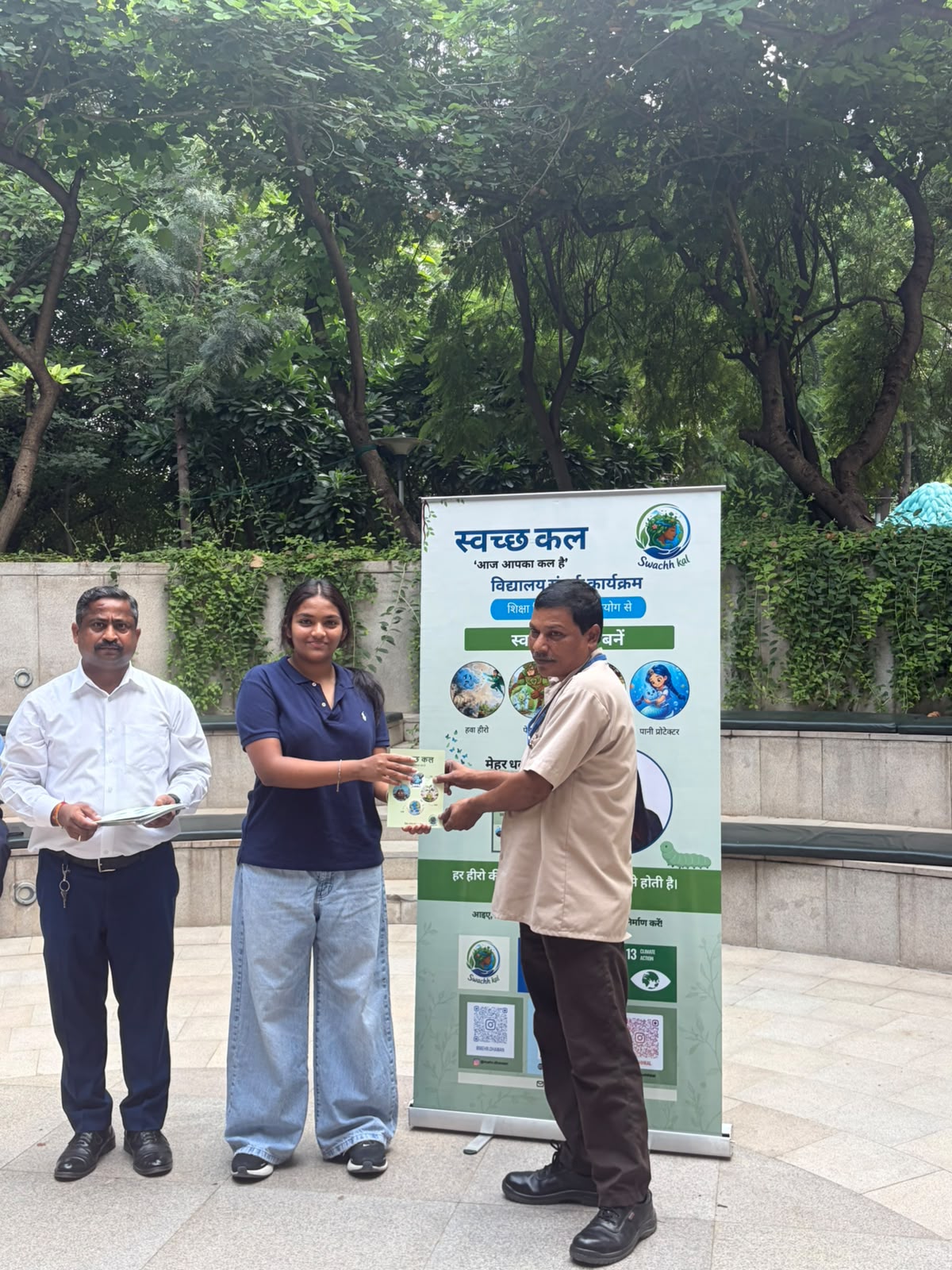
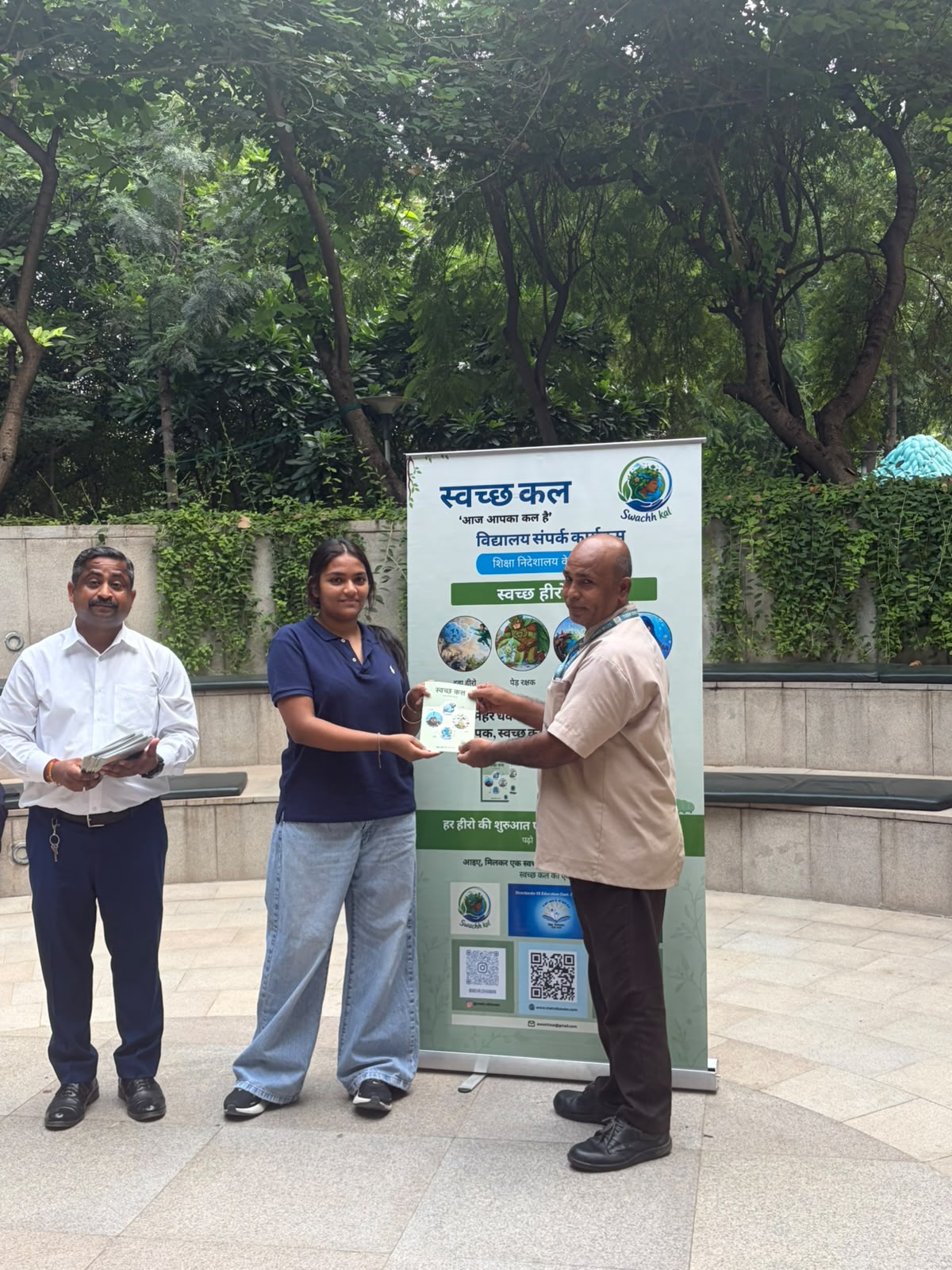
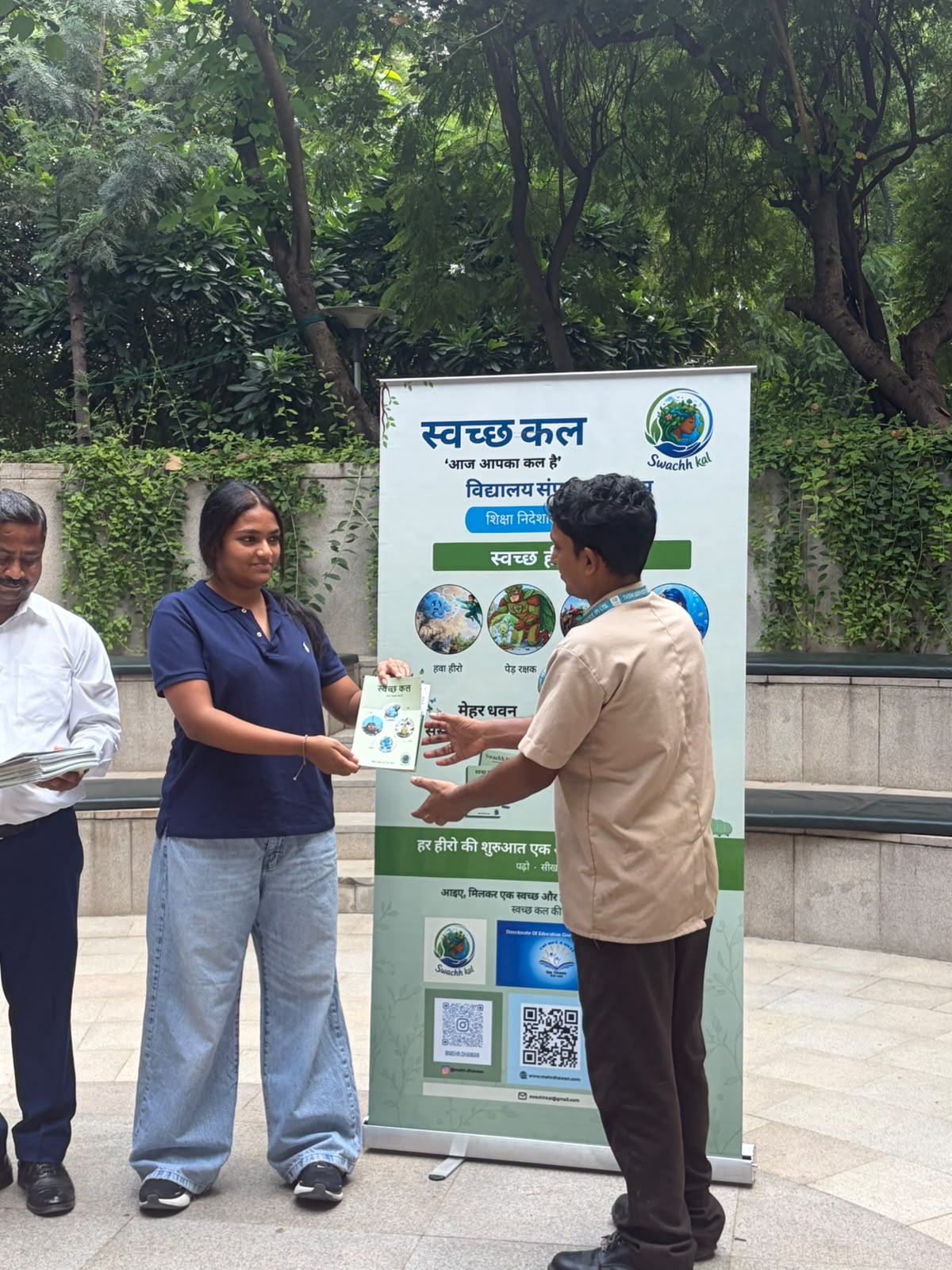
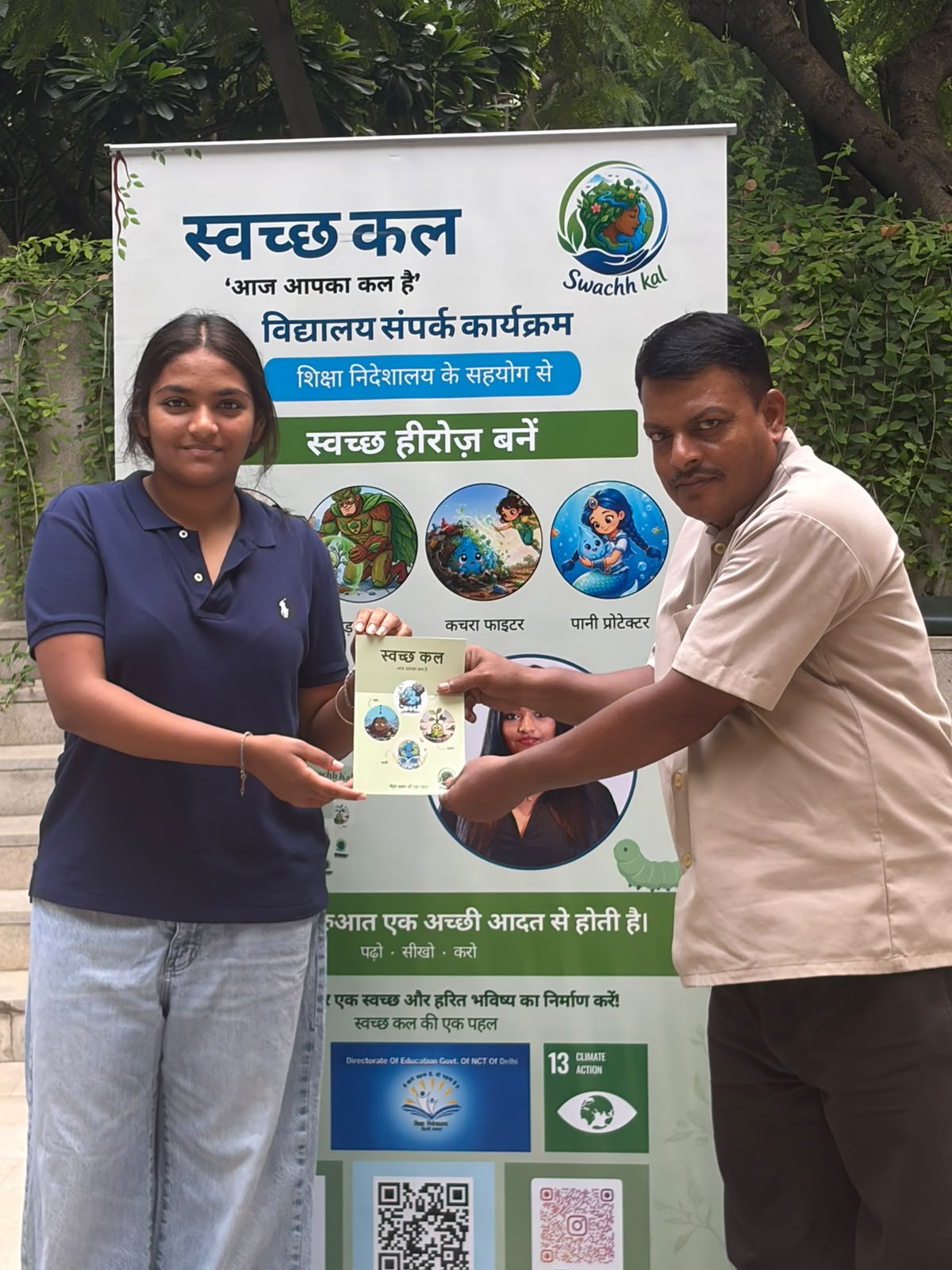
As part of the Swachh Kal initiative, I conducted interactive sessions for the DLF housekeeping staff and gardeners, focusing on the importance of cleanliness, responsible waste management, waste segregation, and safe waste handling practices.
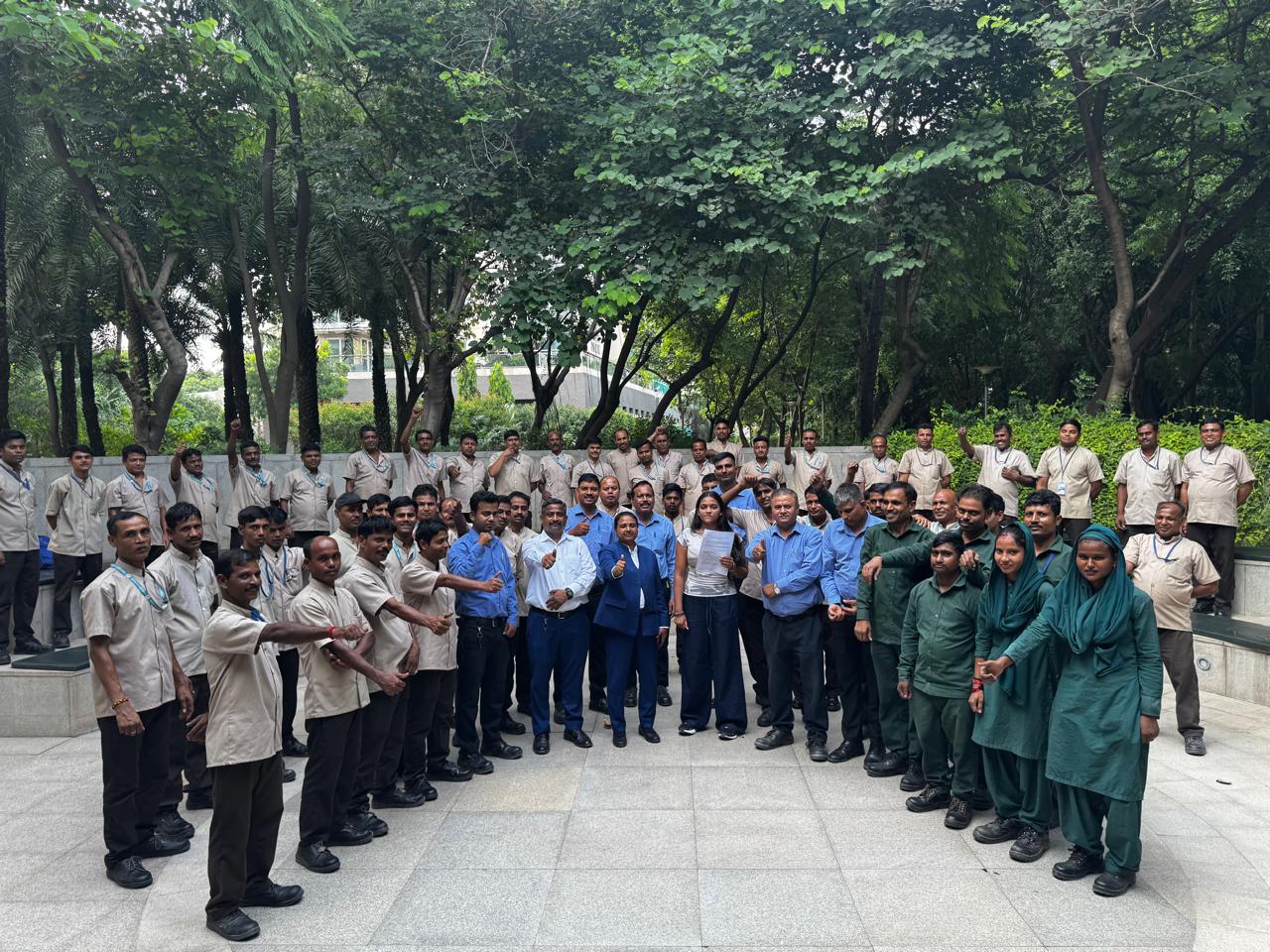
The sessions were held on 13 September, 18 September, and 20 September 2026, at the DLF Amphitheatre. Each session was an opportunity to engage with the DLF community, share practical ways to manage waste responsibly, and reinforce the importance of everyday sustainable habits.
The sessions concluded with everyone taking the Swachh Heroes Pledge, committing to play their part in keeping our surroundings clean and contributing to a more sustainable future.
13 September 2026





18 September 2026


20 September 2026


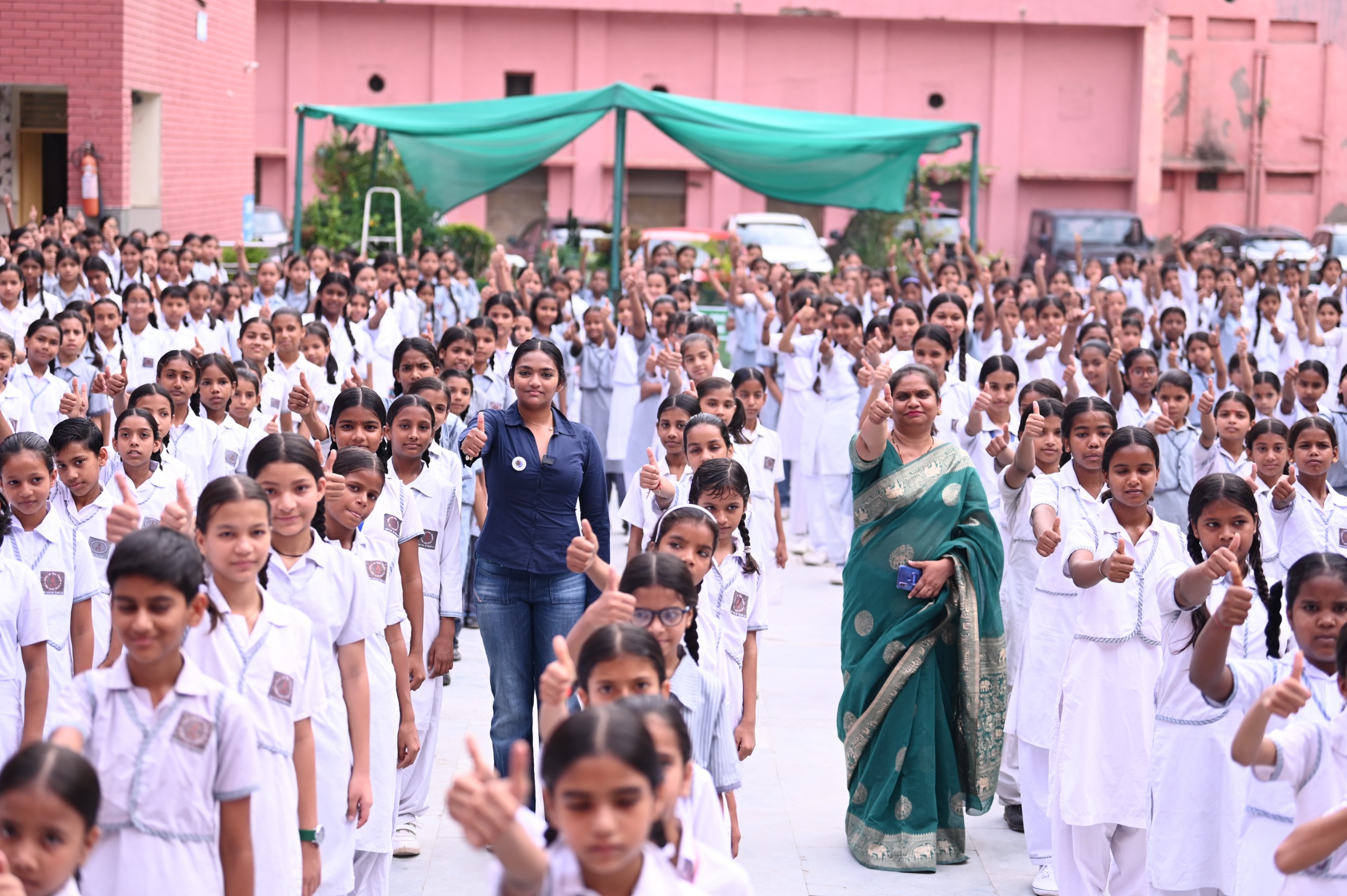
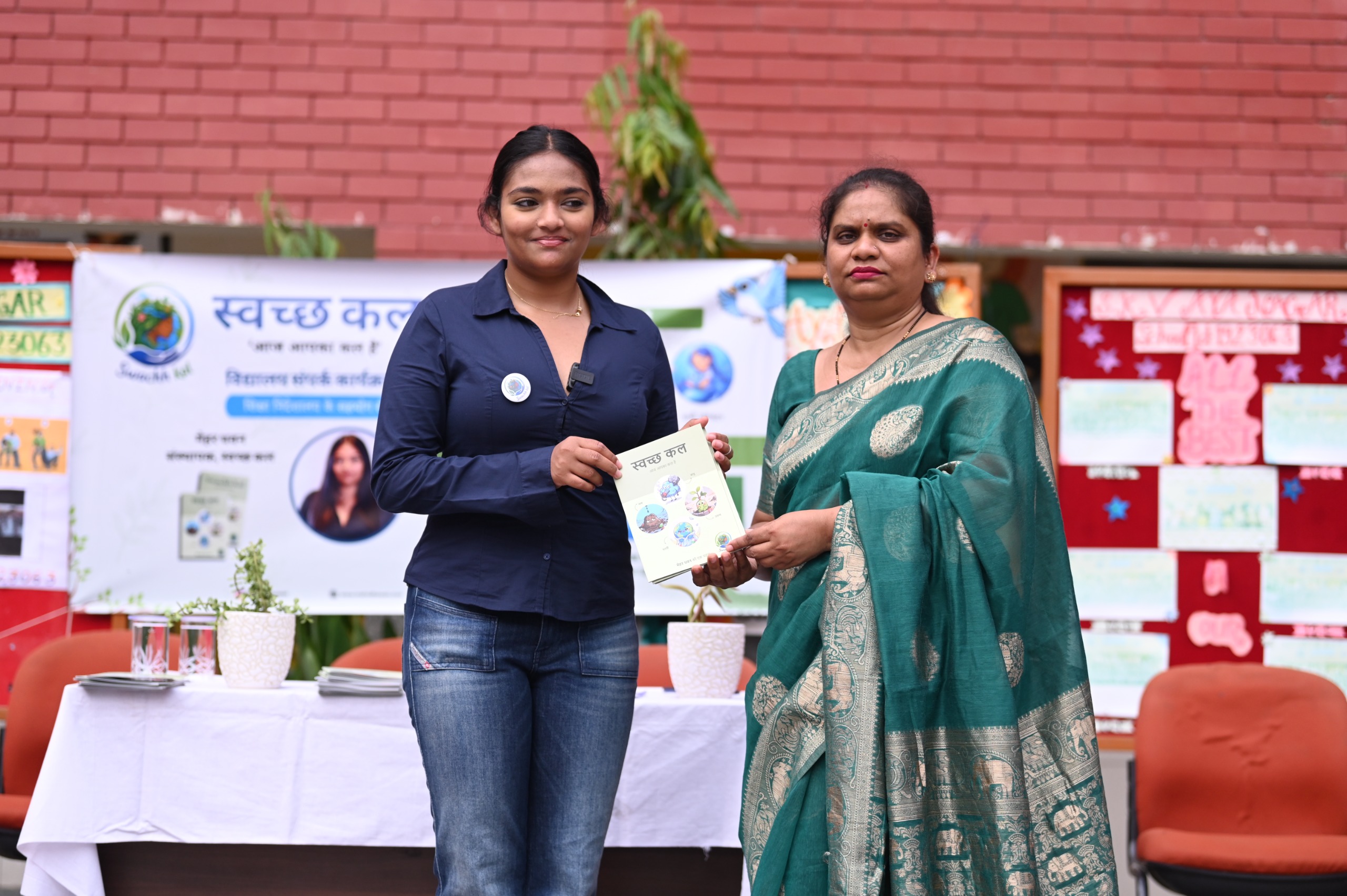
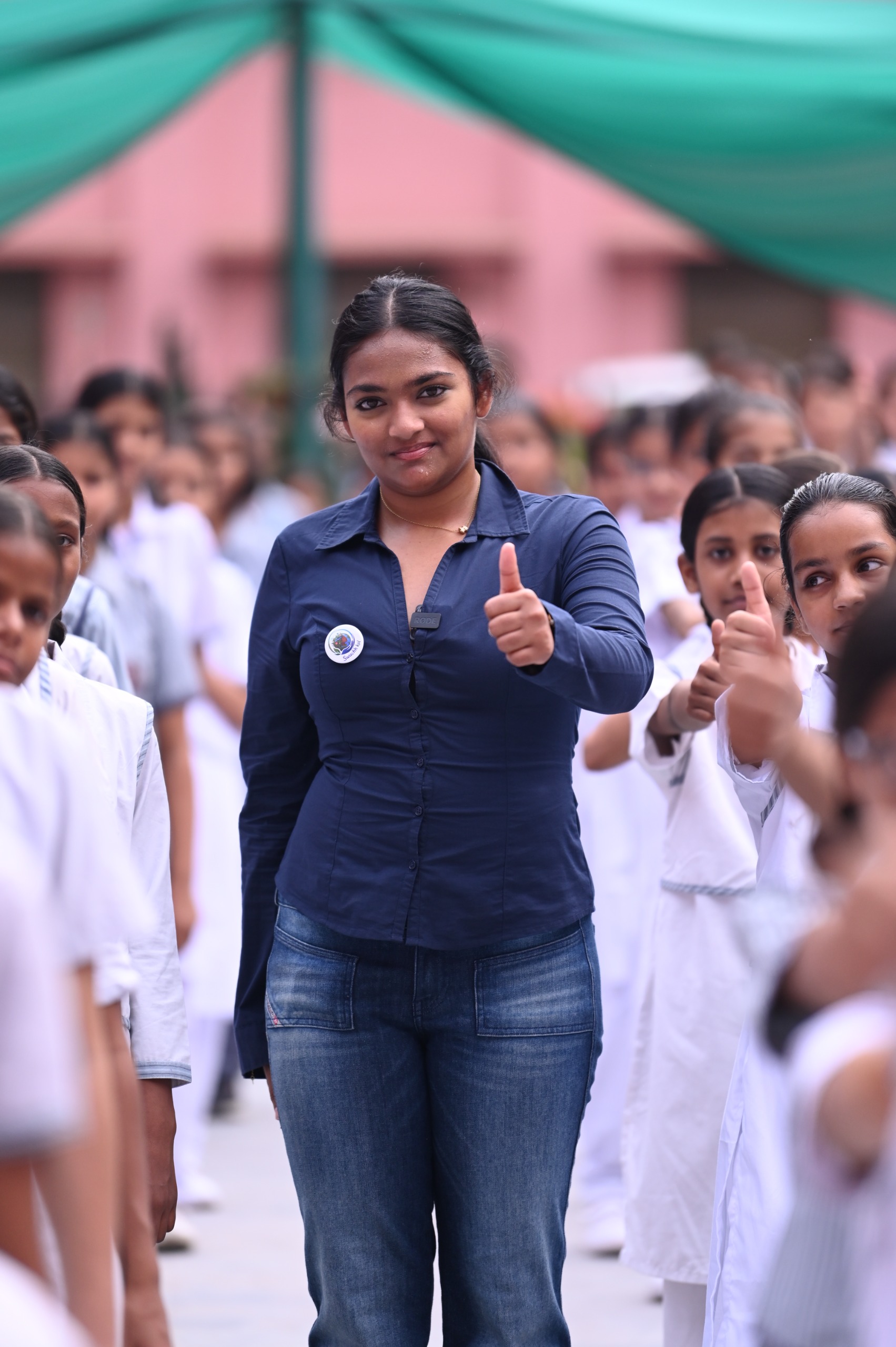
Swachh Kal in Government Schools
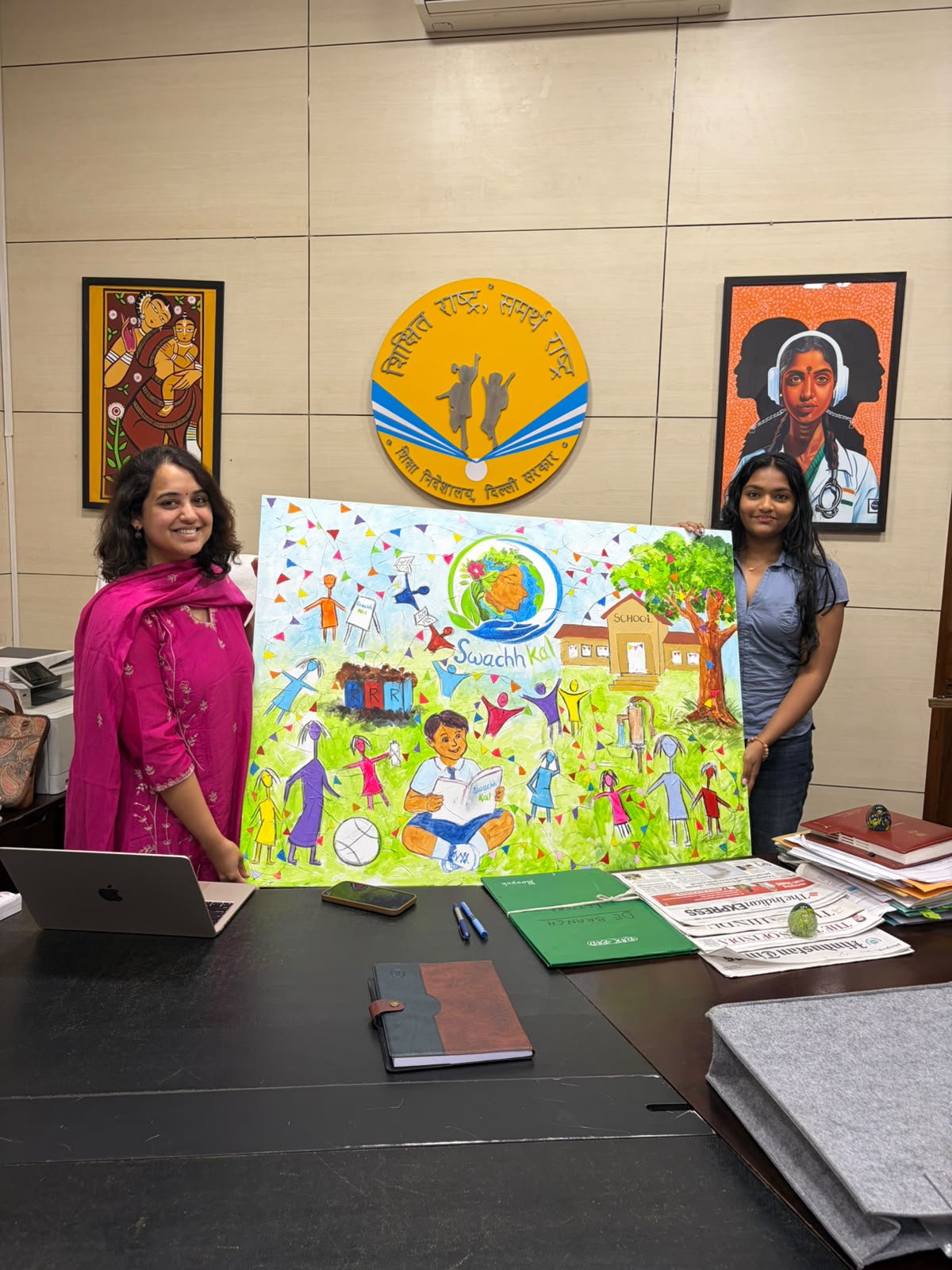
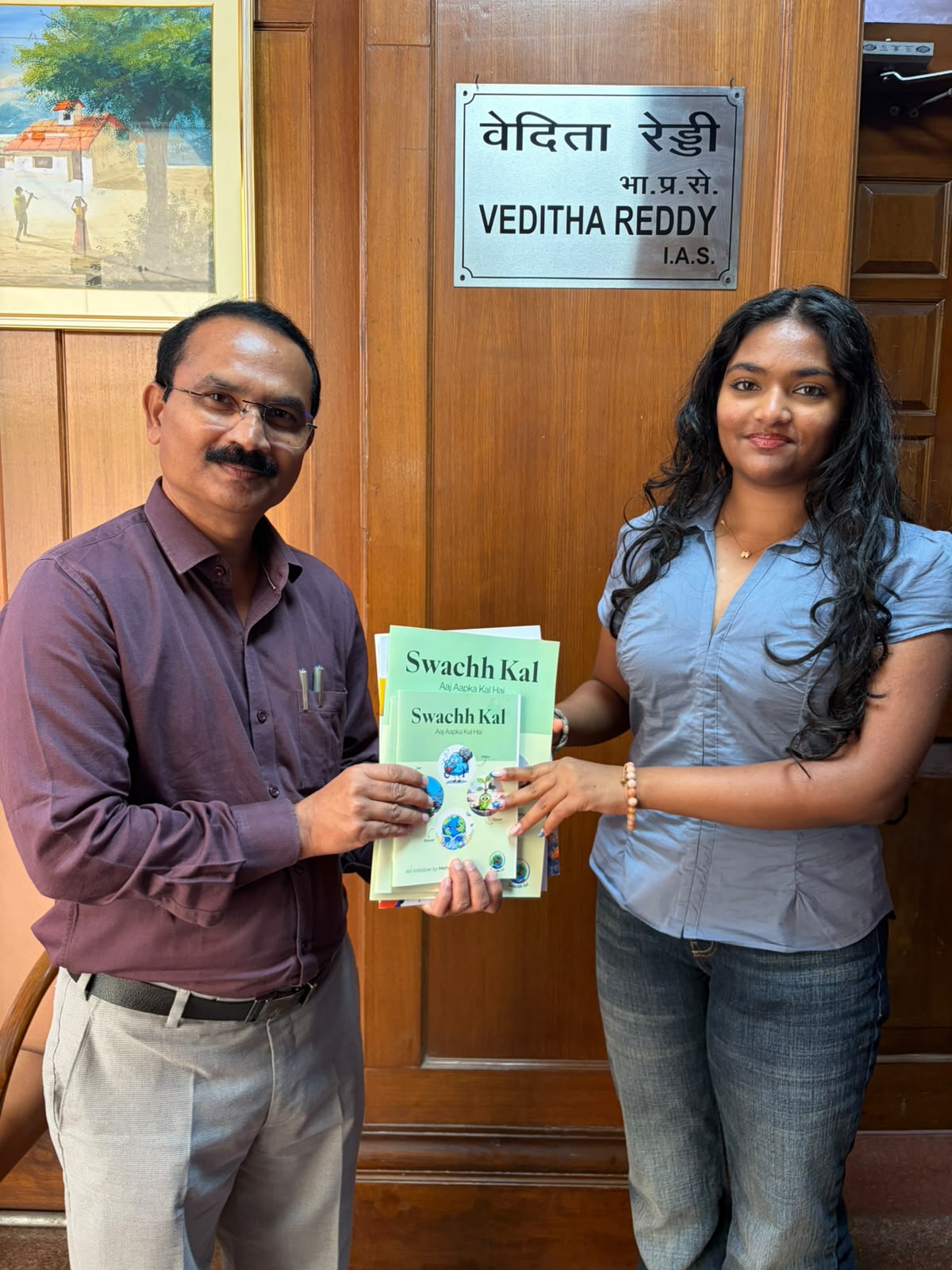
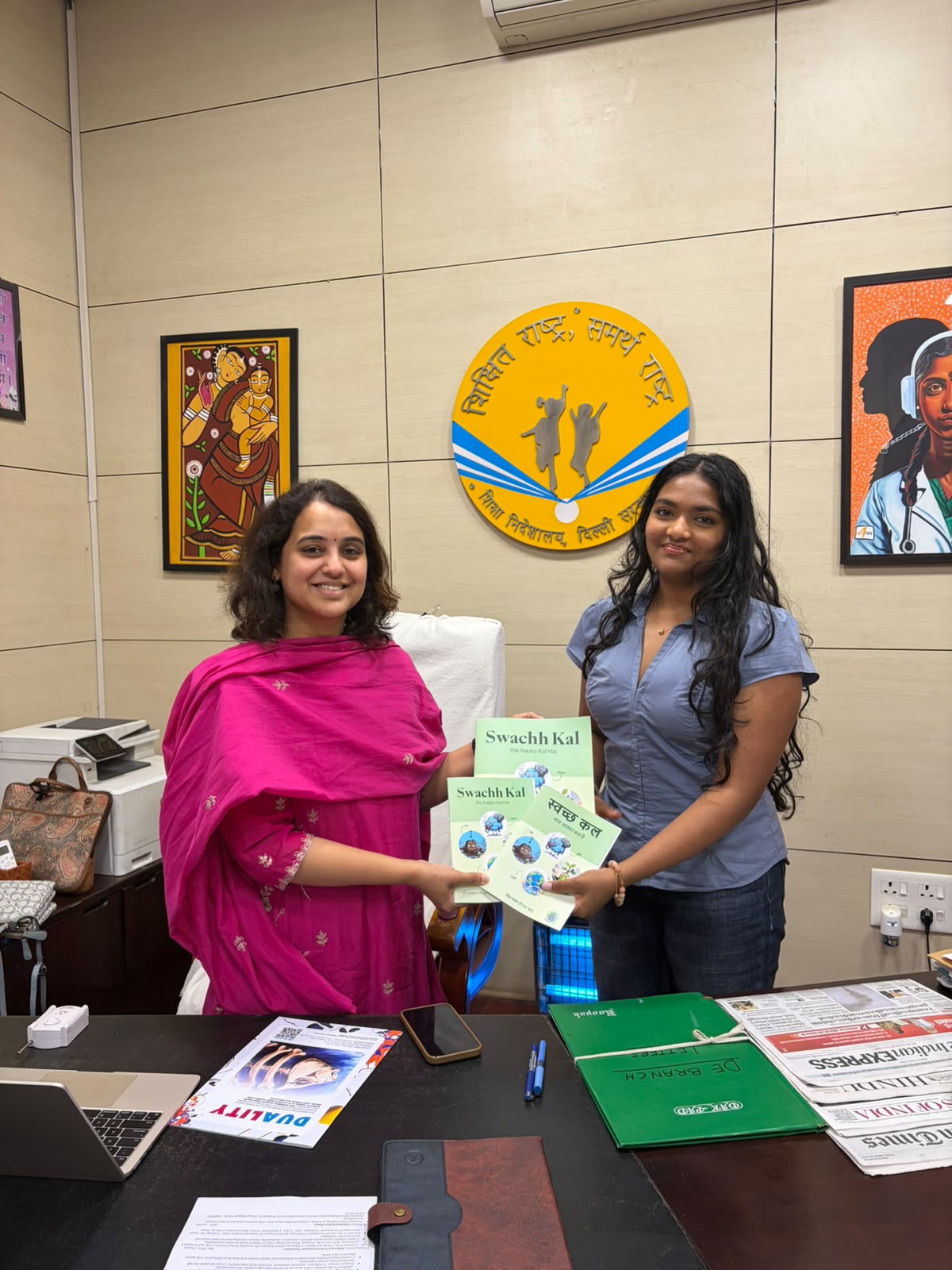
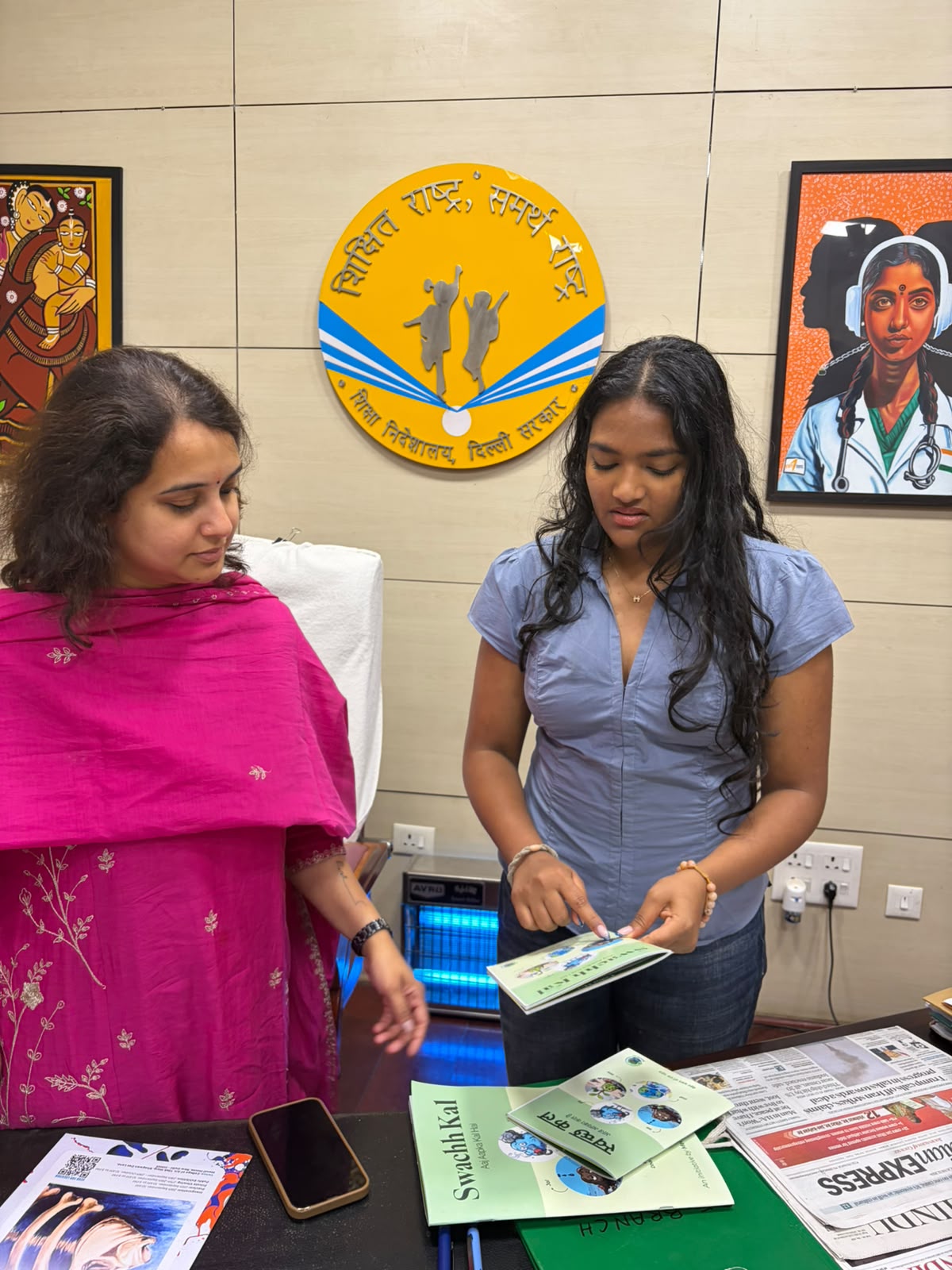
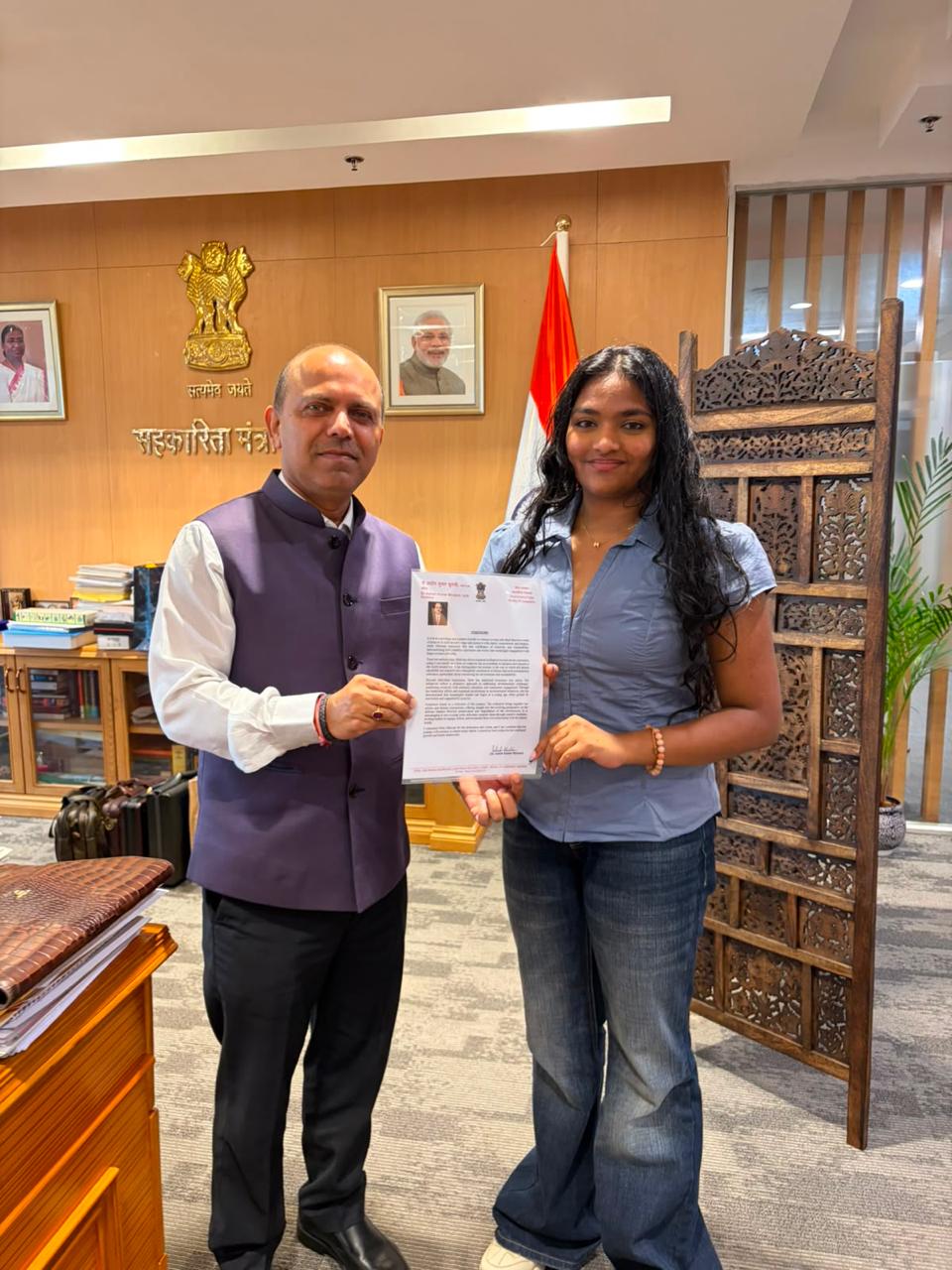
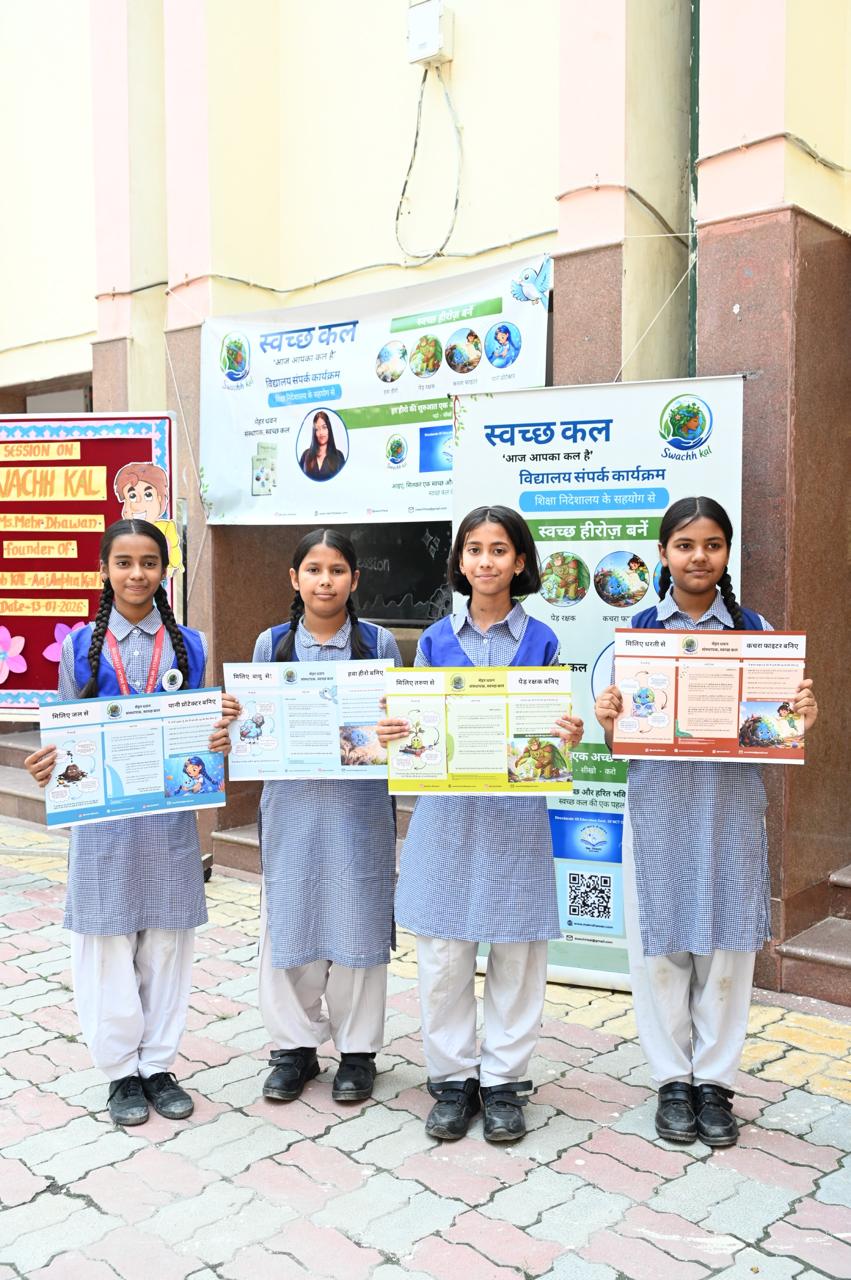
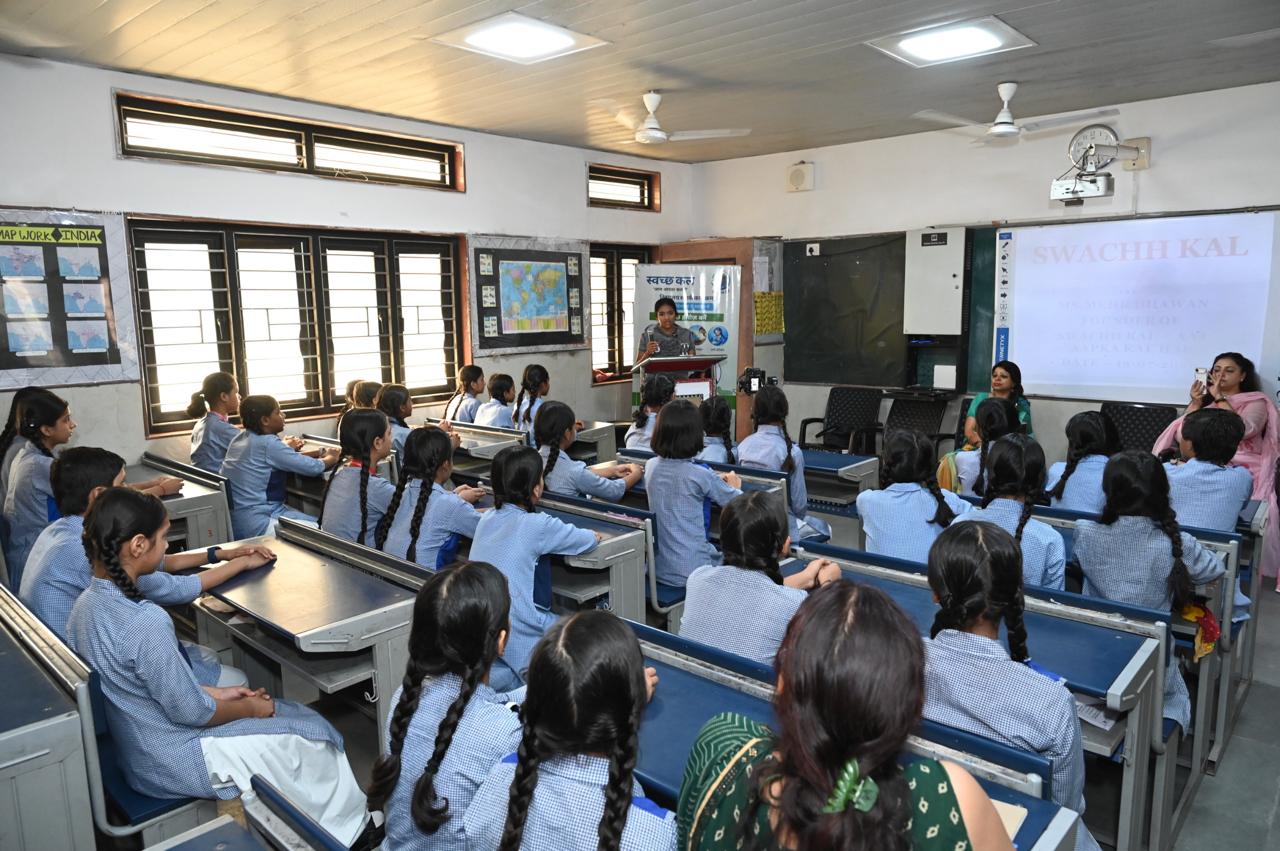
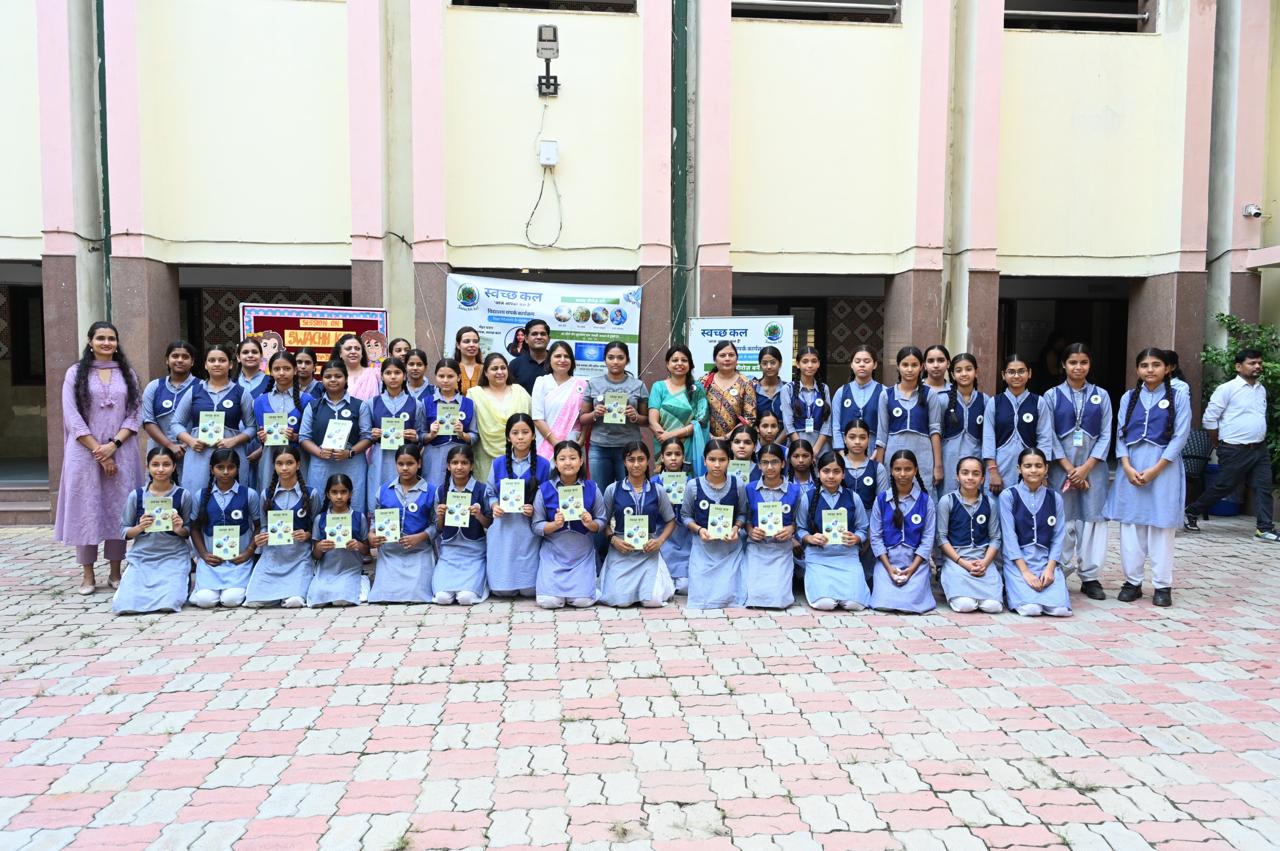
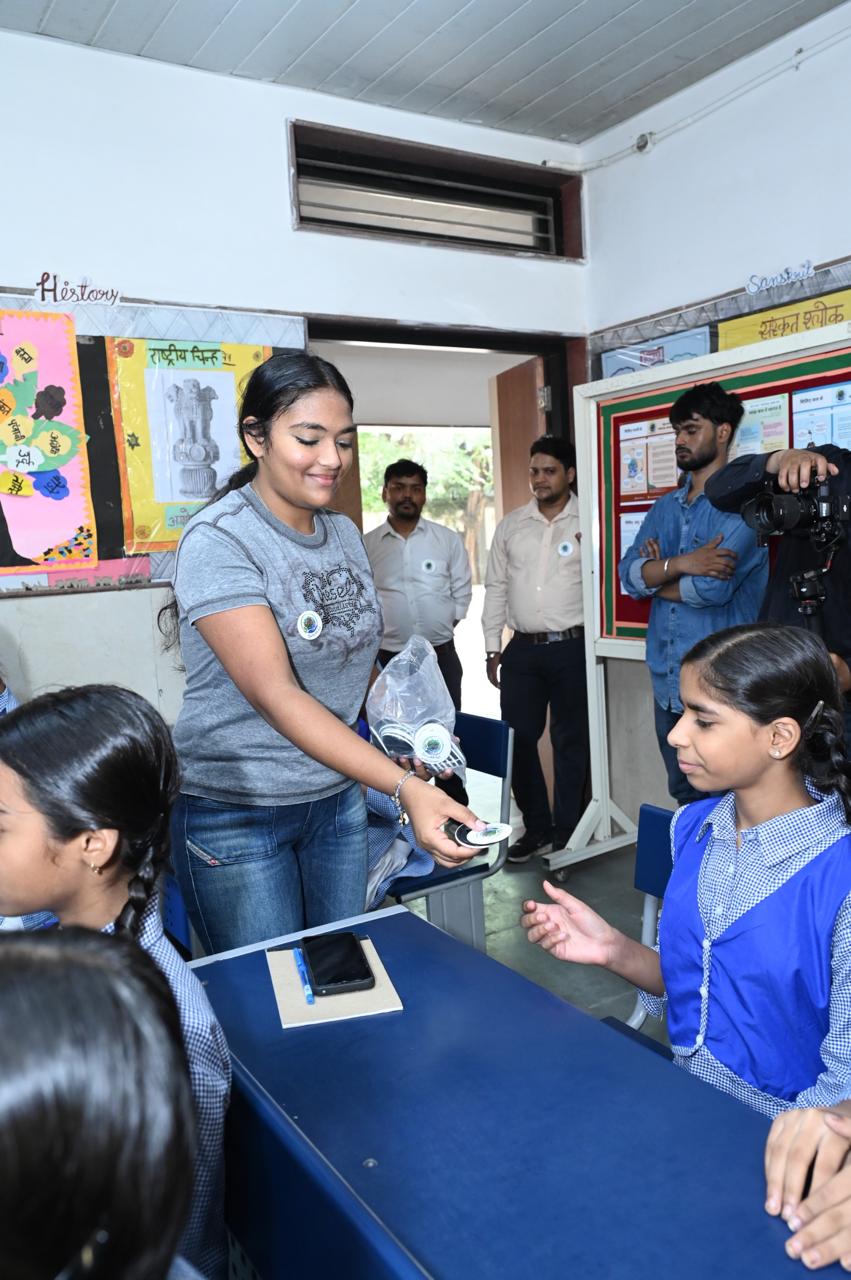
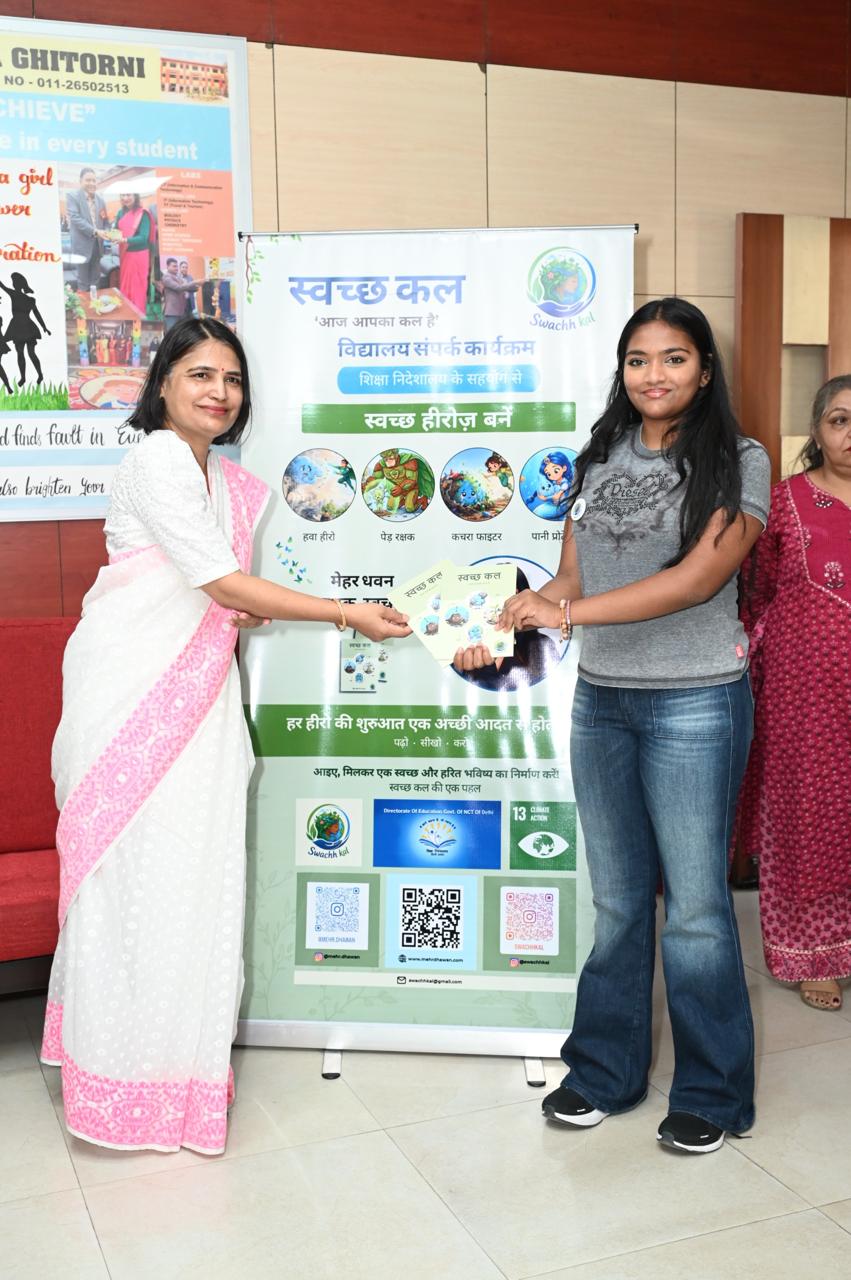
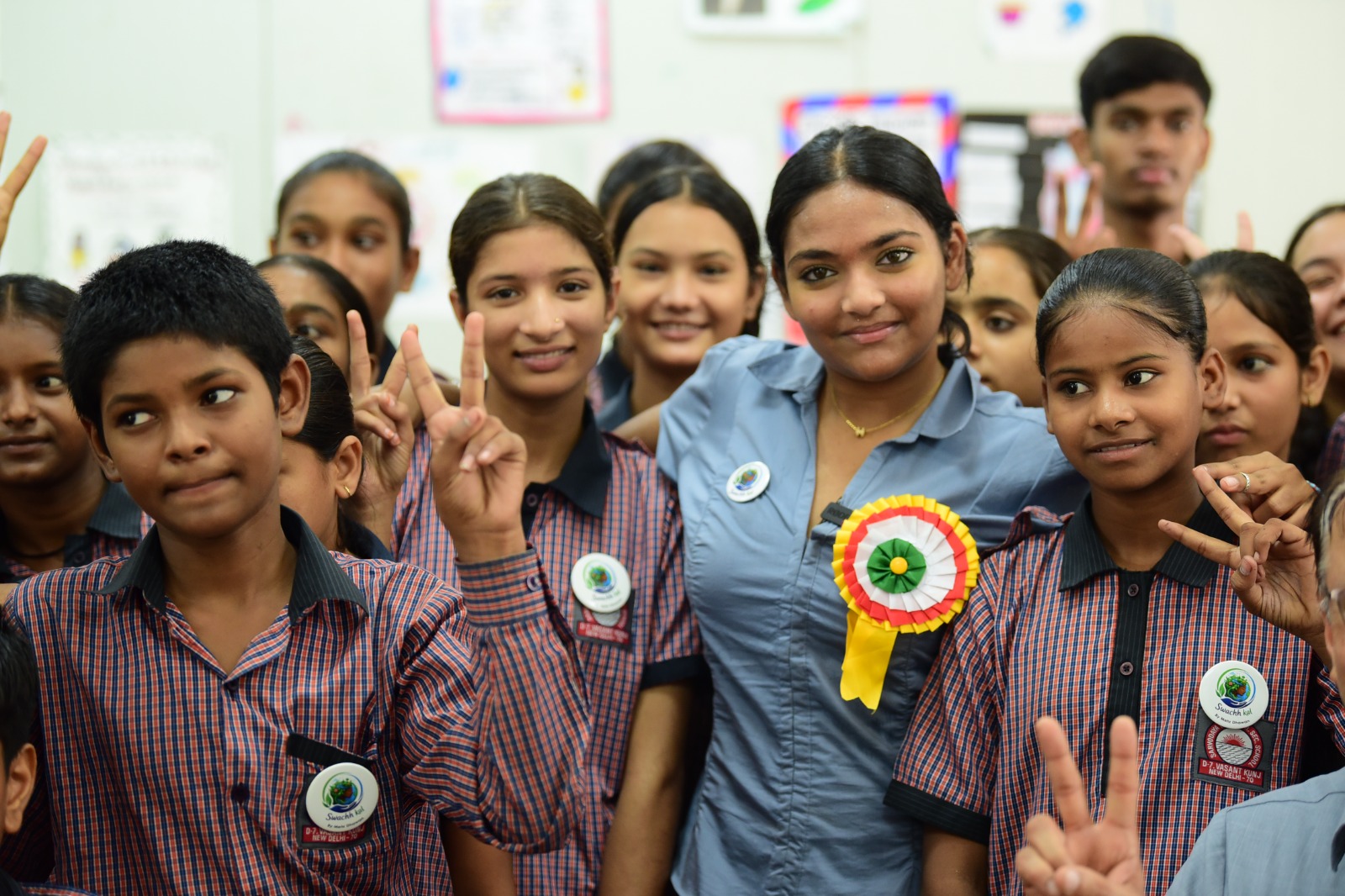
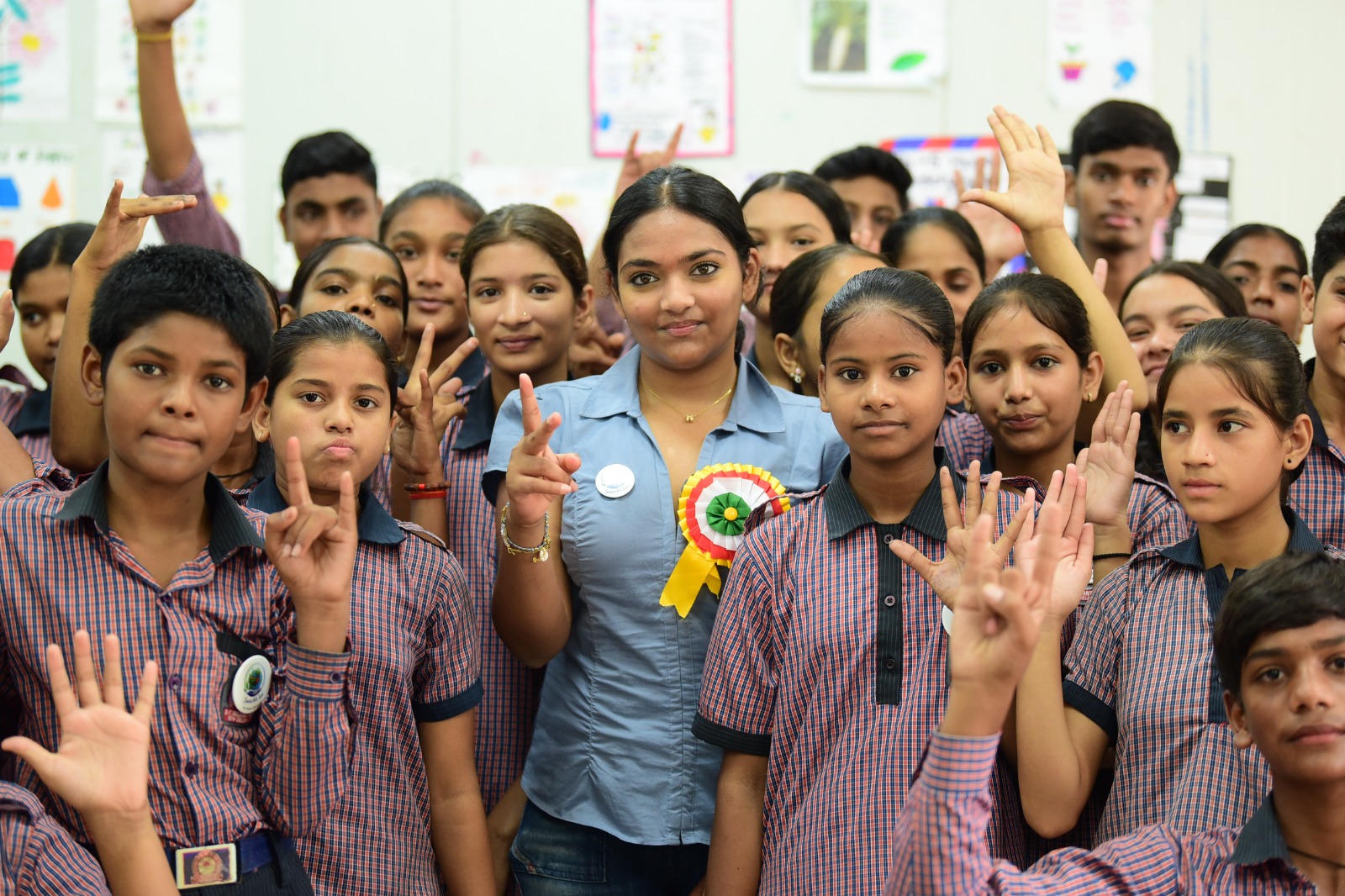
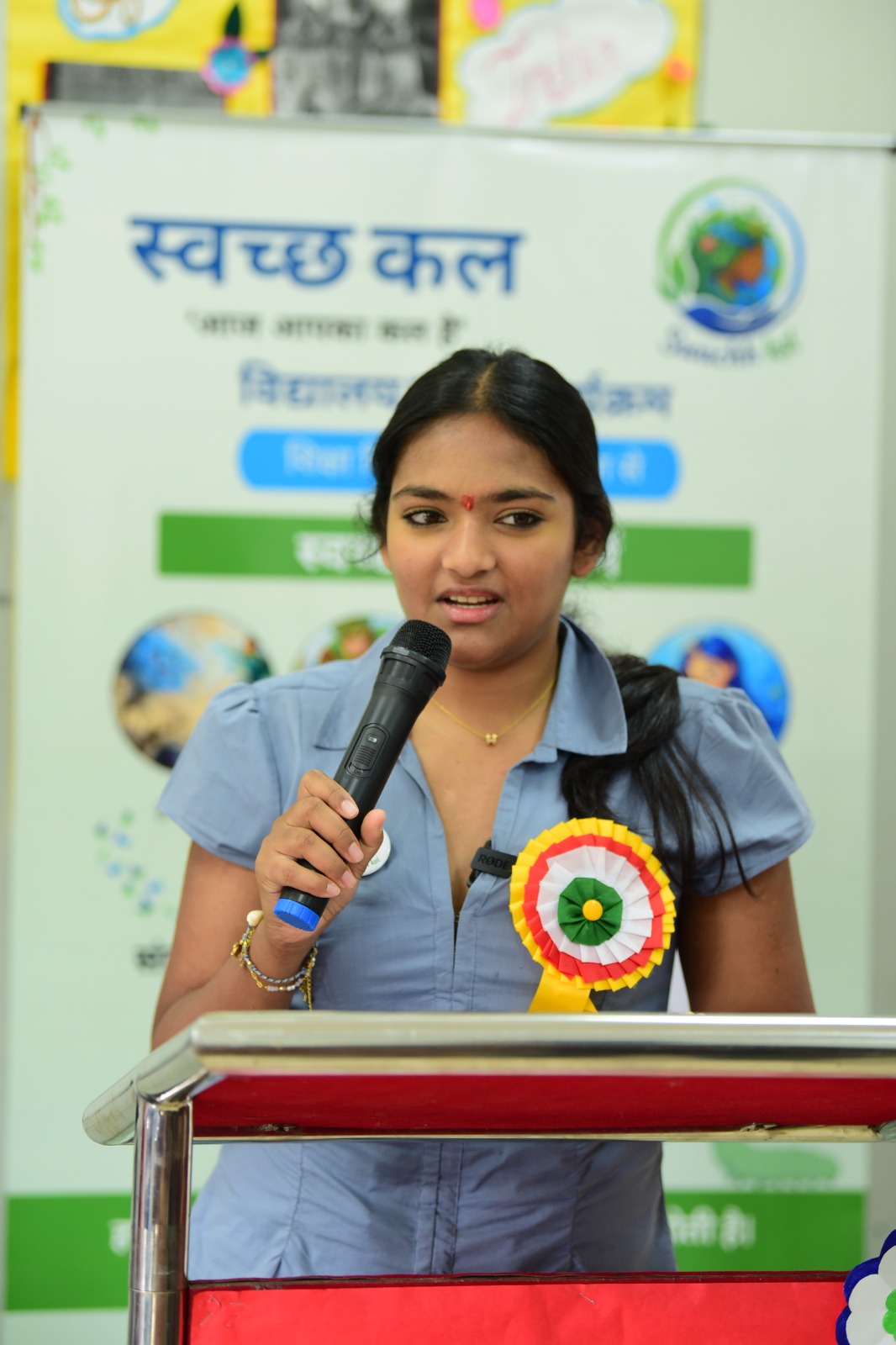
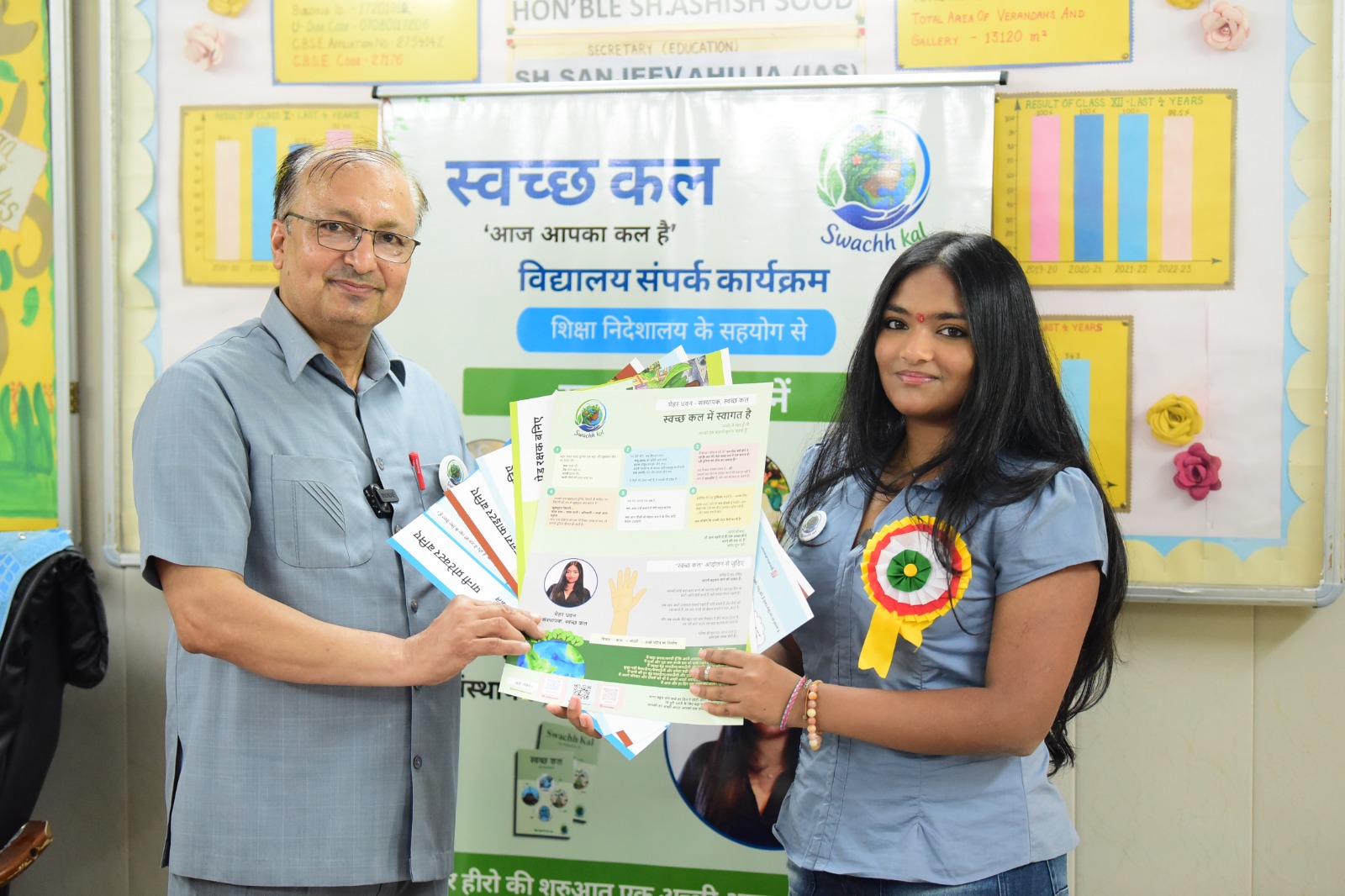
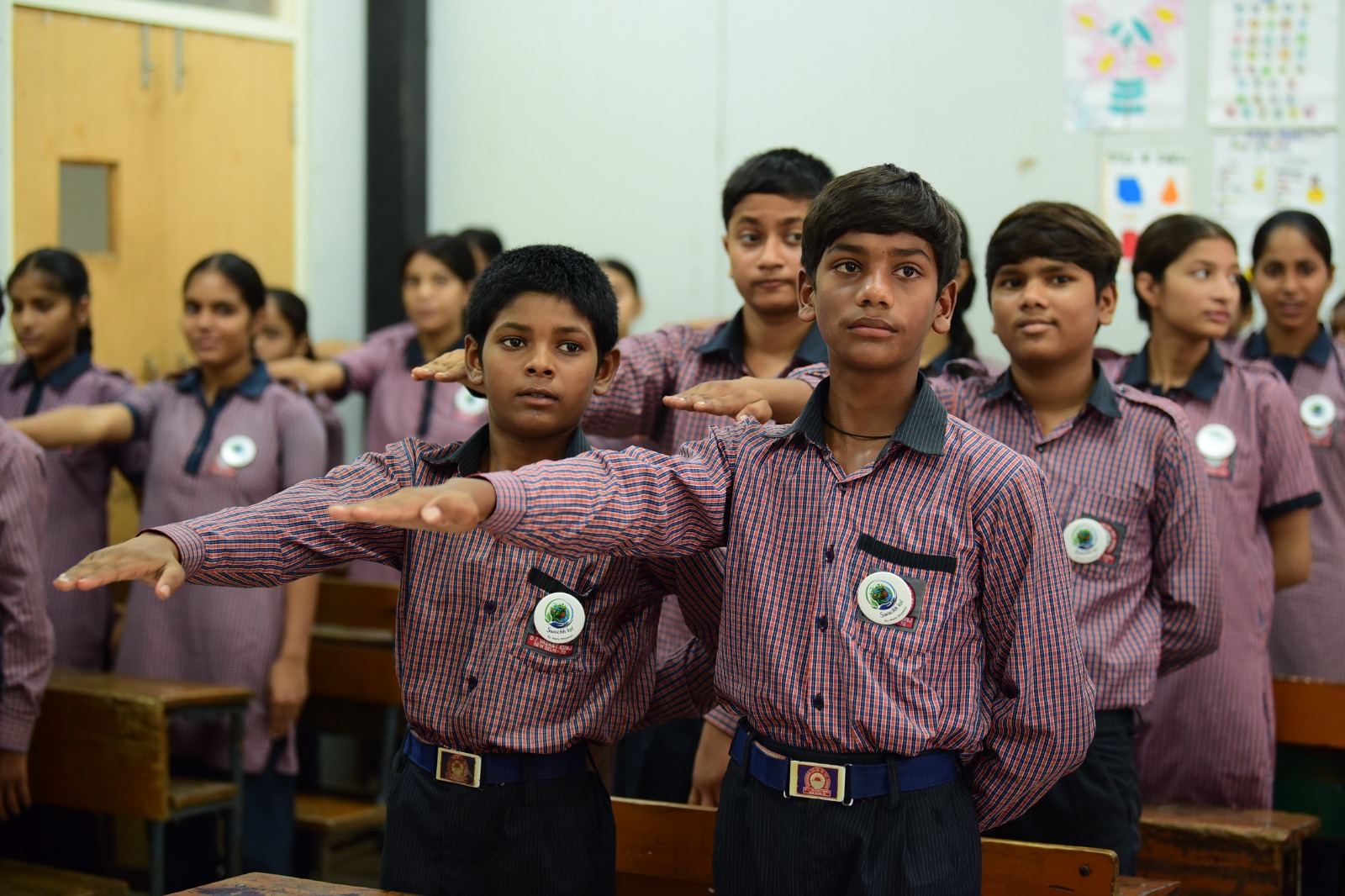
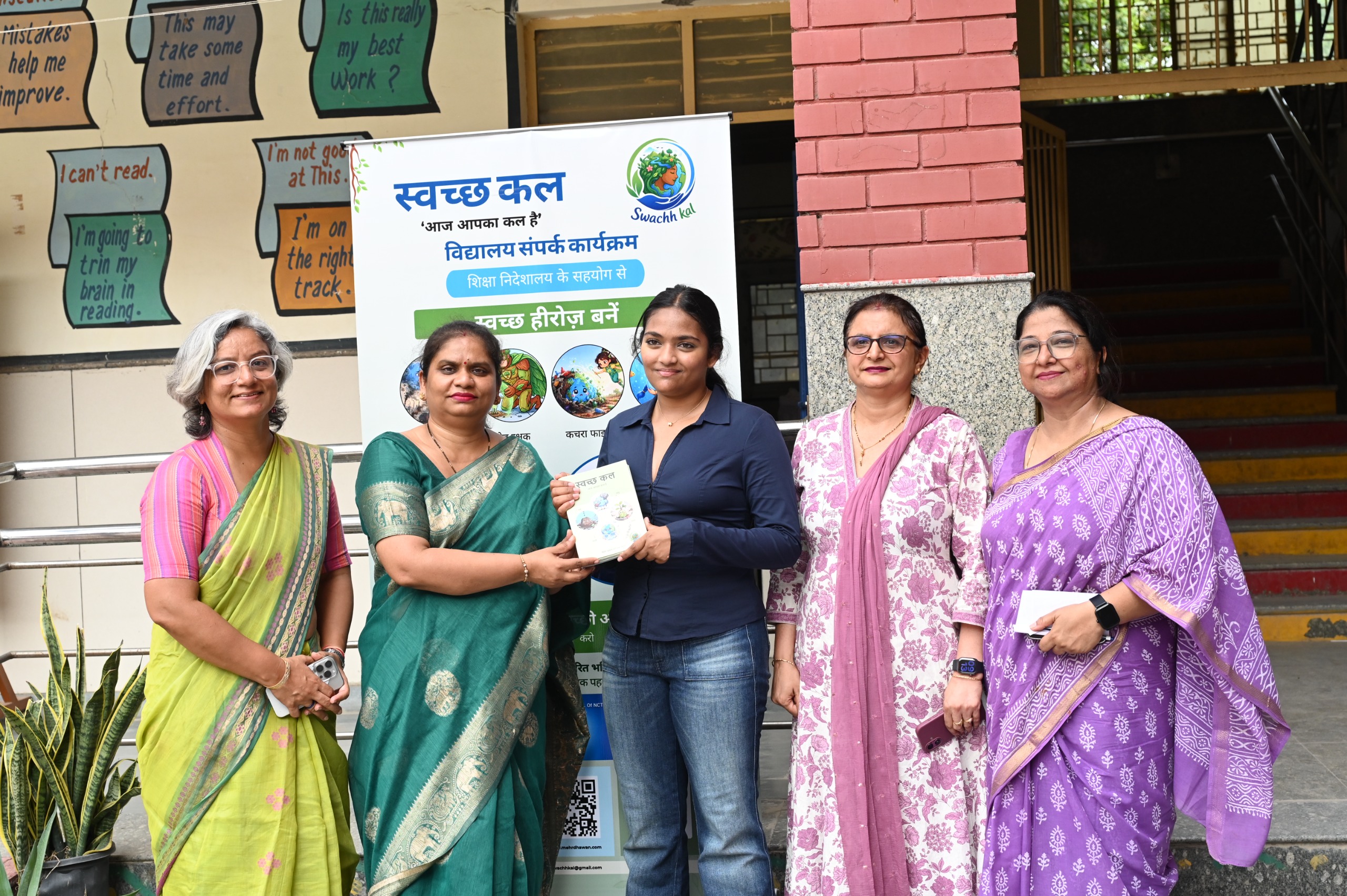
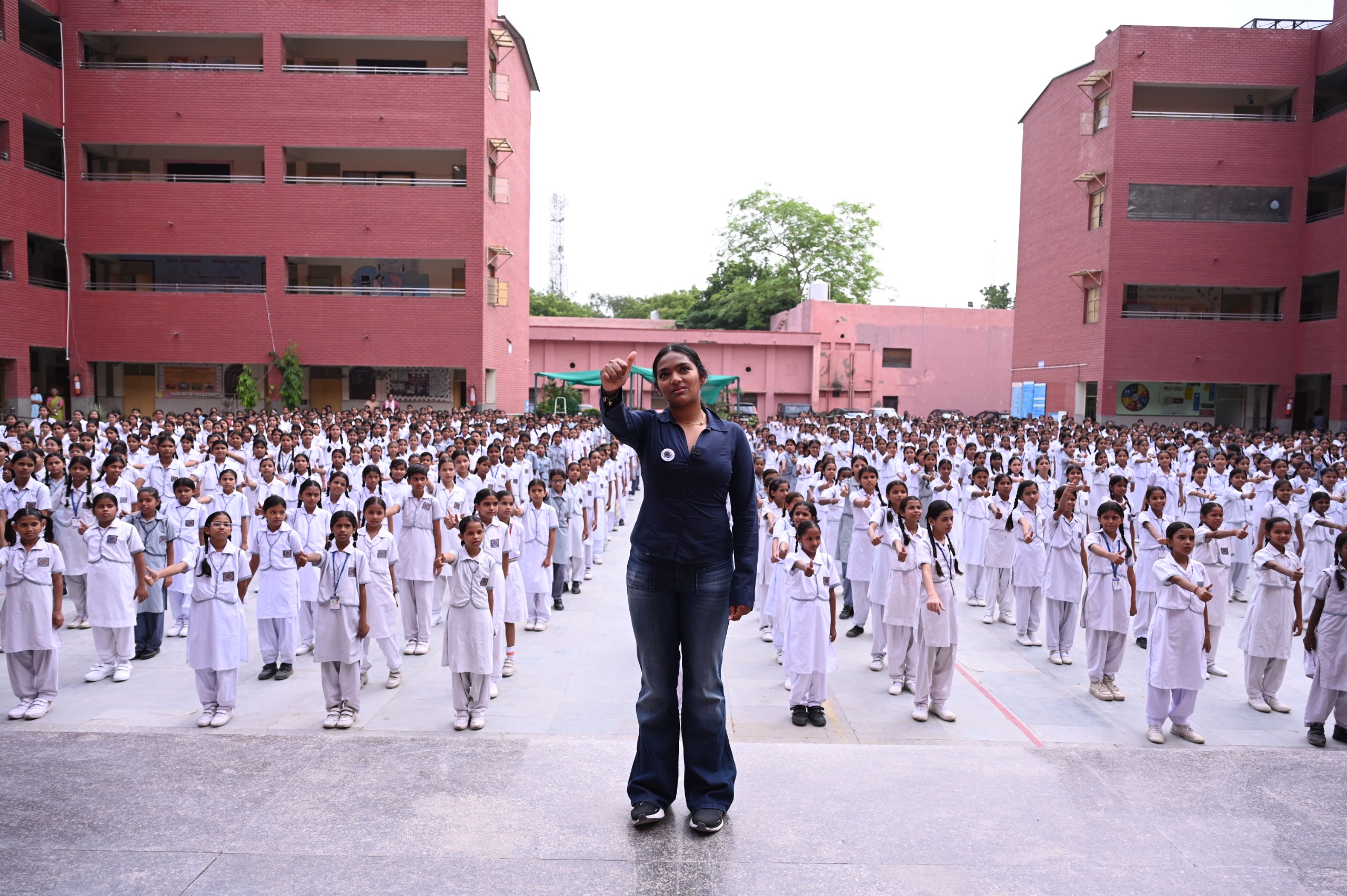
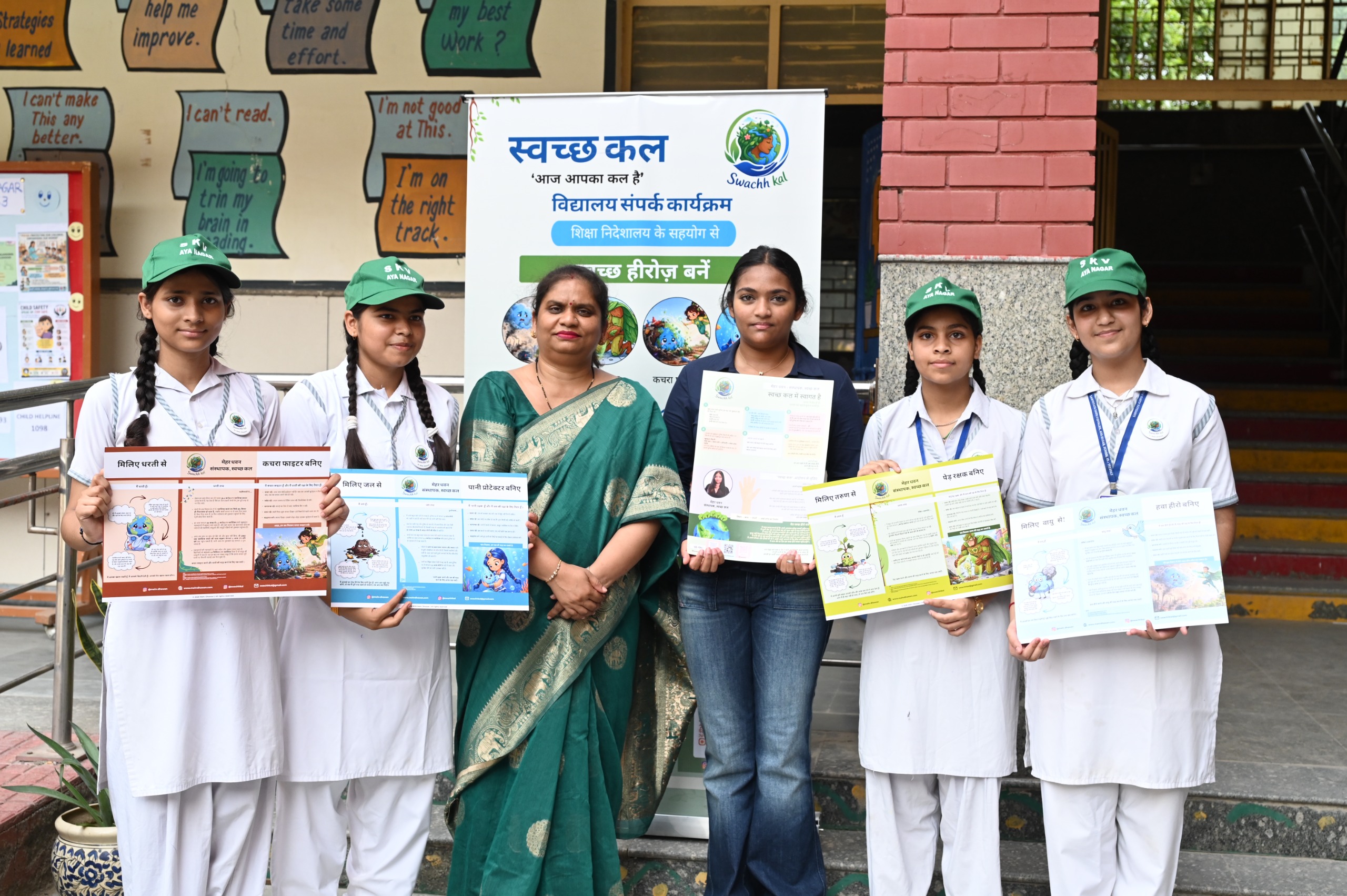
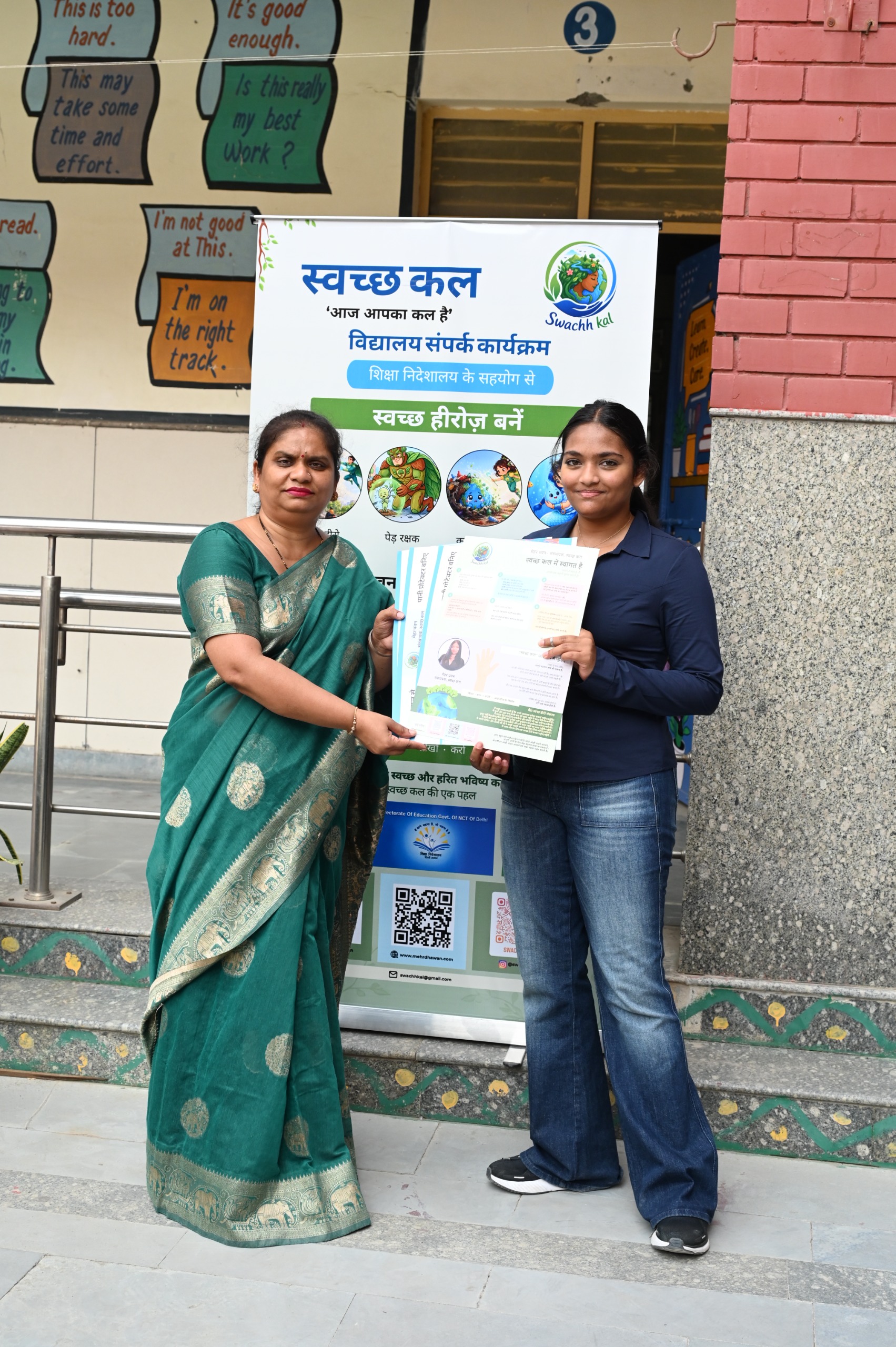
I formalised collaboration with the Directorate of Education, Government of National Capital Territory (NCT) of Delhi, to integrate the Swachh Kal initiative into the public education system.
-
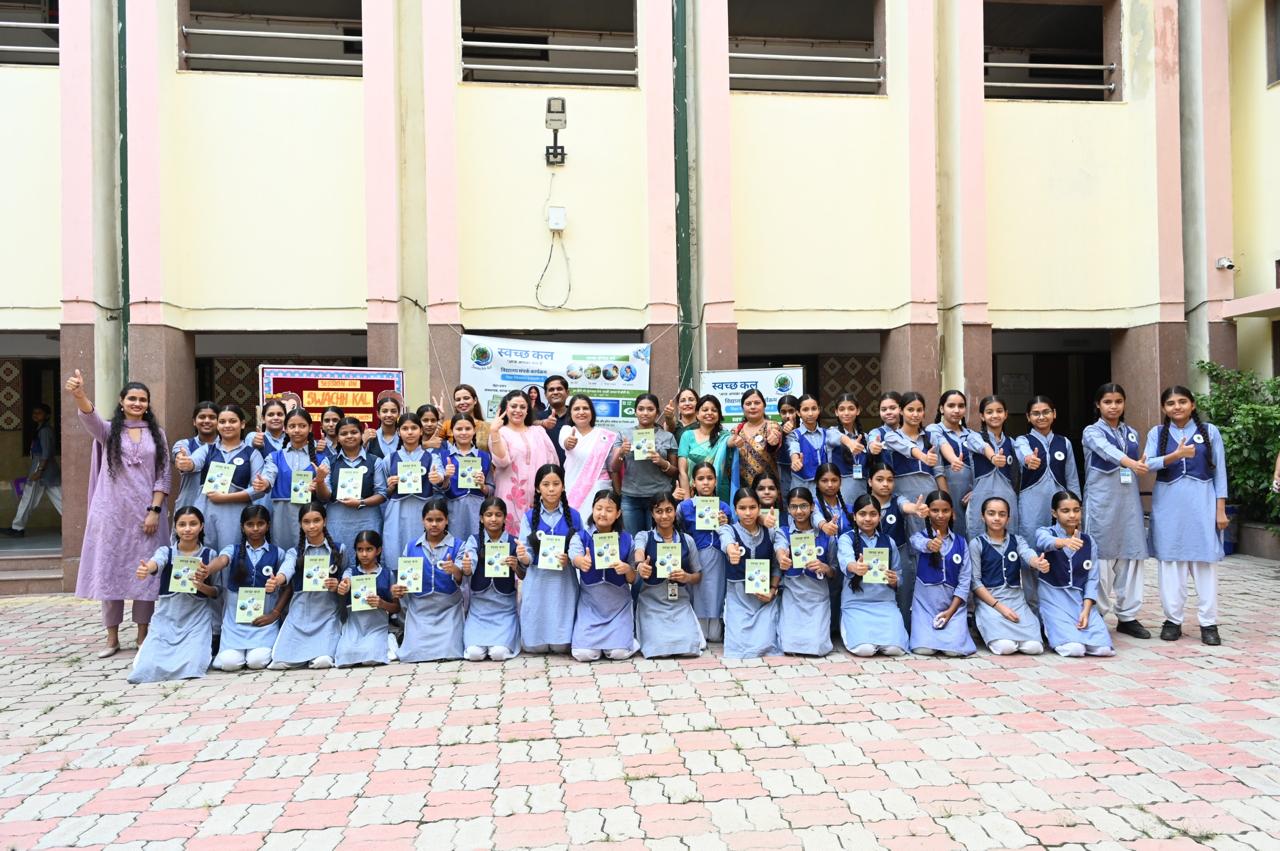
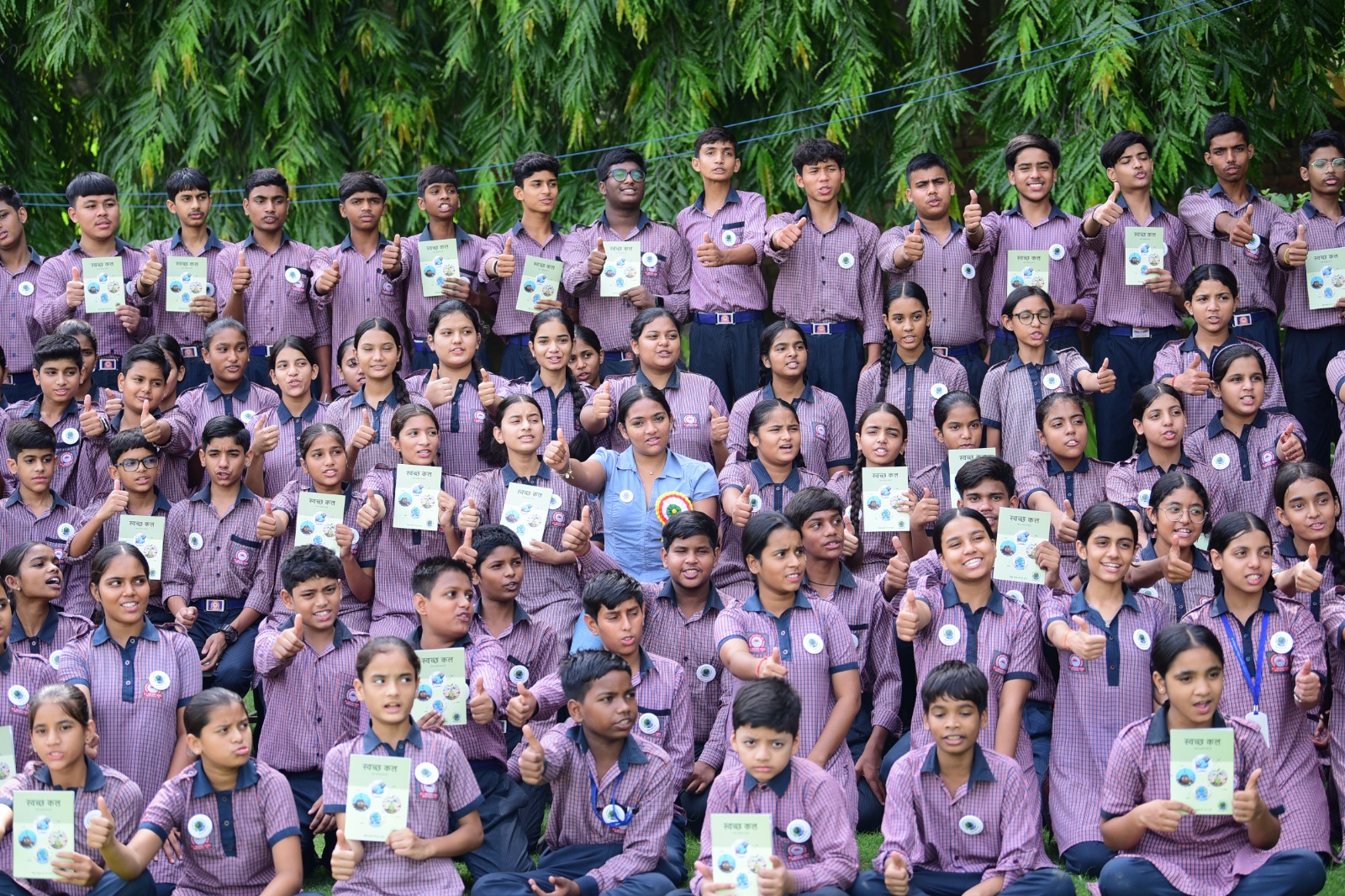
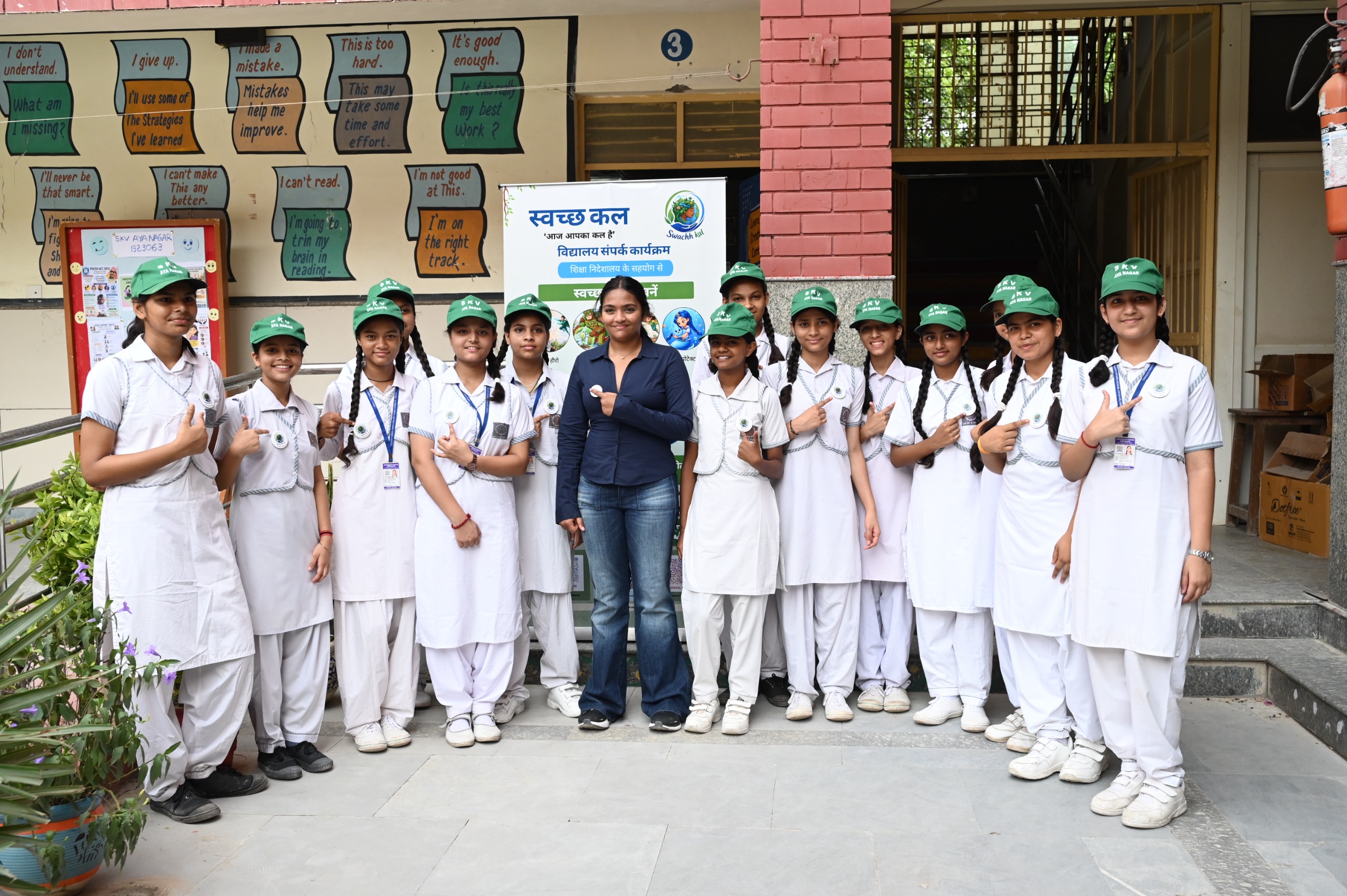
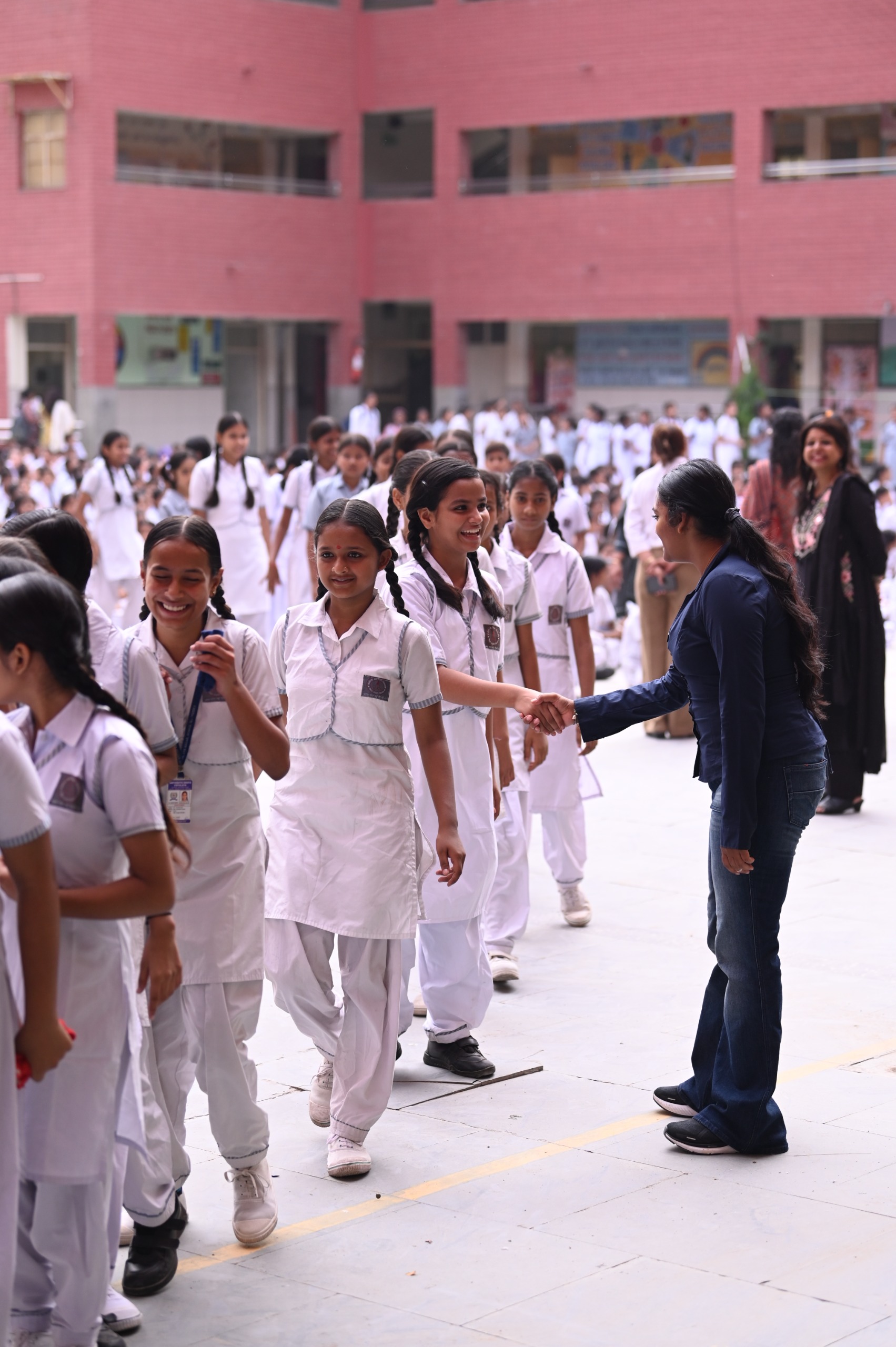
Personally addressed 6000+ students across the three schools, inspiring youth to take meaningful action towards a greener, cleaner India.
-
The Swachh Kal Booklet was featured on the official Directorate of Education website, extending its reach to 18 lakh+ students across 1,100 government schools.


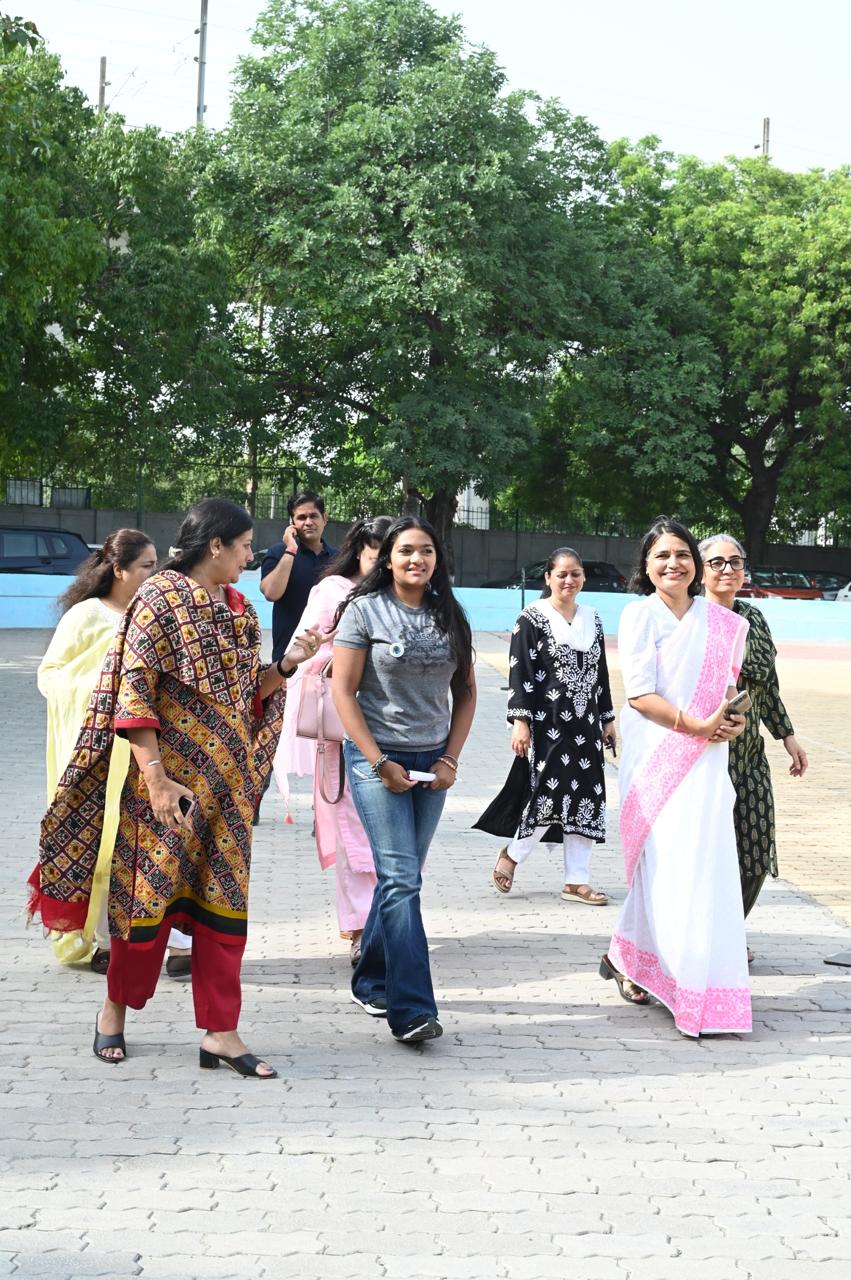
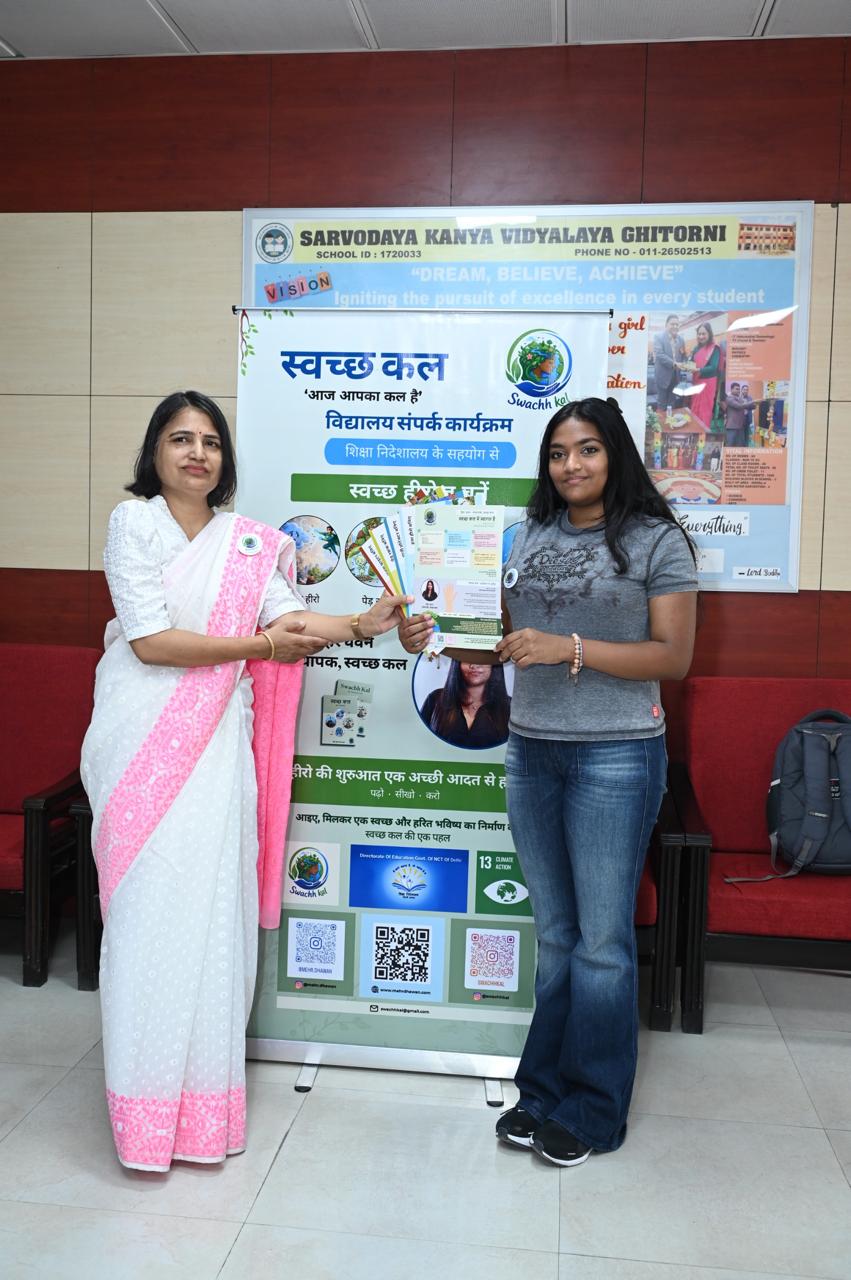
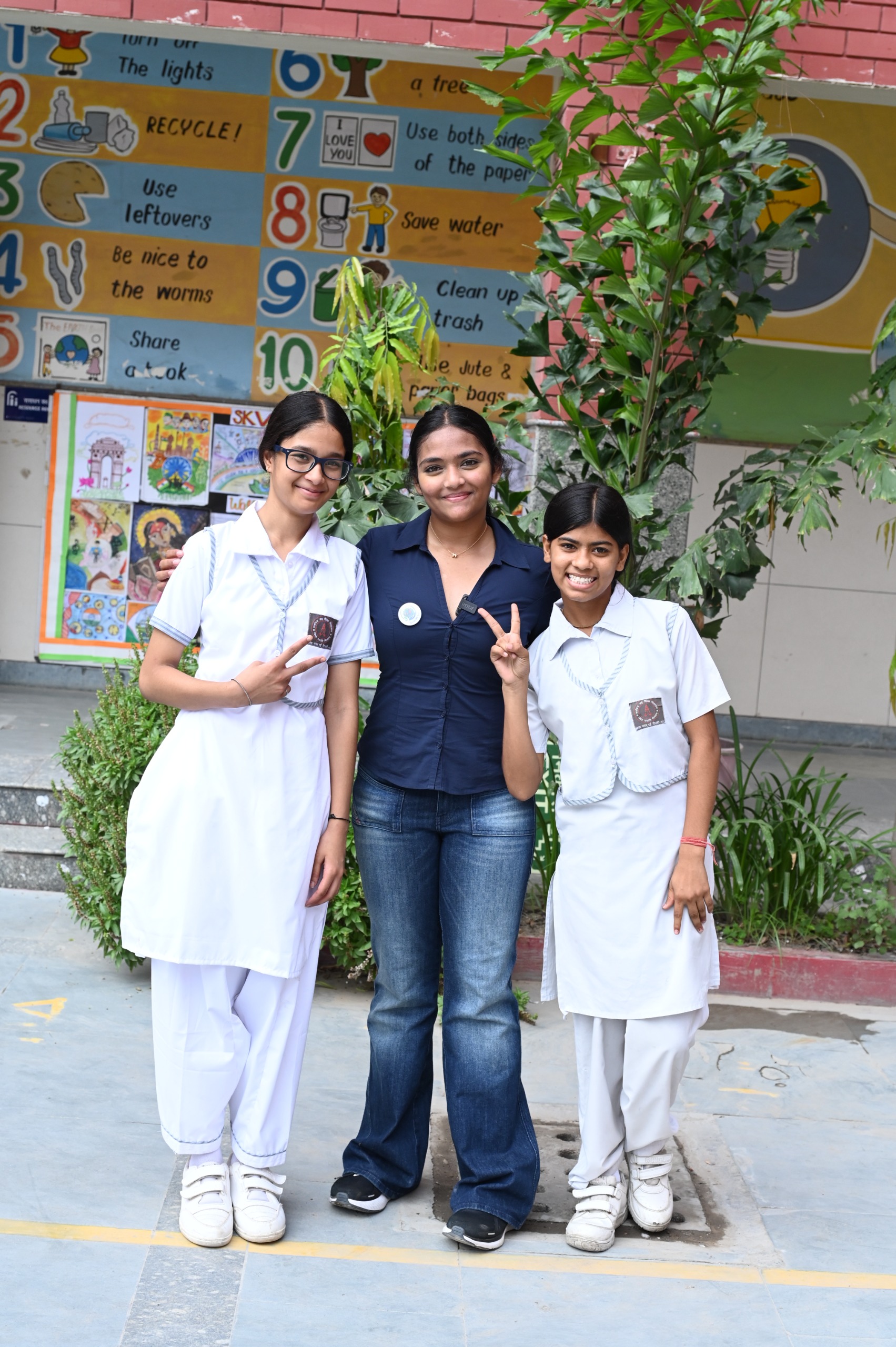
SKV Ghitorni (Reached 1900 students)


S. (Co-Ed.) Sr. Sec. School, D-Block, Vasant Kunj (Reached 995 students)


SKV Aya Nagar (Reached 3200 students)


Testimonials
The impact of Swachh Kal is best understood through the voices of those who have experienced it firsthand. Hear from students and educators as they share their reflections on Swachh Kal.
Making Learning Accessible
To make Swachh Kal more inclusive, I adapted the programme to meet the needs of community learning by:
-
Creating bilingual (Hindi-English) Swachh Kal handbooks.
-
Conducting interactive workshops in Hindi.
-
Teaching simple micro-habits that children can practise every day.
Beyond Environmental Education
Working with CRY has shown me that environmental protection and child rights are deeply connected. Together, we are helping create:
-
Greater awareness about environmental responsibility and personal hygiene.
-
Interactive learning on waste management and sustainable living.
-
Cleaner and safer spaces for children.
-
Stronger community participation in environmental action.

BEYOND THE CLASSROOM: MY JOURNEY WITH CRY
One of the most meaningful parts of my Swachh Kal journey has been partnering with CRY (Child Rights and You) to bring environmental education to children beyond traditional classrooms.
During my visits to communities in Faridabad and nearby areas, I saw firsthand how pollution, poor sanitation, and unsafe surroundings affect children's daily lives. These experiences strengthened my belief that every child deserves not only quality education, but also the opportunity to grow up in a clean and healthy environment.
Supporting the Cause
Alongside these workshops, I have launched a fundraising campaign with the goal of raising ₹2,00,000 for CRY to support child-centred environmental and community initiatives, helping more children access healthier environments and brighter futures.
Looking Ahead
As Swachh Kal continues to grow, I hope to build more community partnerships, reach underserved regions across India, and ensure that climate education is not seen as a privilege, but as an opportunity available to every child
10,000+
Students Reached
18 Lakh+
Potential Student Reach
1100
Potential Government Schools
Swachh Kal Eco Club, Pathways School Gurgaon
I founded the Swachh Kal Eco Club at Pathways School Gurgaon to create a student-driven space focused on sustainability, environmental responsibility, and urban ecological awareness.
One of the club’s major initiatives included organizing a field visit to the Timarpur-Okhla Waste-to-Energy Plant in collaboration with the Municipal Corporation of Delhi (MCD).
Through these experiences, students explored:
-
Waste segregation systems
-
Biomining processes
-
Landfill management
-
Green energy conversion technologies
The club aims to make sustainability more interactive, practical, and community-oriented for students.

PRESENTING / EDITORIAL FEATURE
Presenting Swachh Kal Book to Suhel Seth
I had the opportunity to present a copy of the Swachh Kal book to Suhel Seth, an Indian author, columnist, advertising professional, and public commentator. Sharing the book with him was a meaningful moment and an opportunity to introduce him to the youth-led environmental initiatives, sustainability vision, and community impact behind the Swachh Kal movement.
